Introduction
Picky eating is more than a childhood habit. It can affect health, emotions, and even social life for both children and adults. If you struggle with a picky eater at home or want to expand your own food choices, this guide can help. Understanding what causes extreme picky eating allows you to take practical steps to improve eating habits, reduce mealtime stress, and enjoy a balanced diet.
Some people are naturally sensitive to certain tastes, textures, or smells. Others develop discomfort or fear after negative food experiences. Over time, these reactions turn into habits that are hard to change. The psychology of picky eaters shows that food preferences often reflect underlying factors such as anxiety, sensory overload, or emotional associations.
This article explores the root causes of picky eating, how it develops in both adults and toddlers, and provides actionable strategies including diet tips, exercises, and helpful resources to help picky eaters broaden their palate and enjoy meals confidently.
Table of Contents
Understanding the Psychology of Picky Eaters
The psychology of picky eaters goes beyond simple likes and dislikes. It’s a mix of sensory reactions, emotional experiences, and learned behaviors that shape how a person feels about food.
Here’s what usually influences it:
- Sensory Sensitivities: Some people have stronger reactions to taste, smell, or texture. Even mild flavors or mixed textures can feel overwhelming.
- Childhood Experiences: Being pressured to finish meals, punished for not eating certain foods, or forced to try disliked items can cause long-term aversions.
- Emotional Associations: Food connected with anxiety, control, or fear during childhood can carry into adulthood. Over time, this becomes one of the strongest explanations for what causes picky eating in adults.
- Parental Influence: When parents use food as a reward or punishment, it disrupts natural hunger cues and creates emotional patterns that affect future eating habits.
- Personality and Temperament: Some individuals are naturally cautious and less open to novelty, including new foods. This cautious nature often explains what is the root cause of picky eating for many people.
Ultimately, picky eating isn’t about being stubborn or difficult. It’s a learned response that can be reshaped through patience and gradual exposure. Rebuilding trust with food, rather than forcing change, helps picky eaters reconnect with the pleasure and comfort of eating.

What Causes Extreme Picky Eating?
Extreme picky eating rarely has a single cause. It’s usually a mix of biological, psychological, and environmental factors that shape a person’s relationship with food. Understanding these causes is the first step toward helping both children and adults eat more freely and confidently.
1. Genetics and Sensory Sensitivities
Some people are biologically wired to be more sensitive to taste, smell, or texture.
- Certain genes make taste buds more reactive to bitterness or strong flavors.
- A child who avoids broccoli or spinach might not be fussy but genuinely overwhelmed by their sharp taste.
- Adults who still dislike specific foods often carry the same sensitivities from childhood.
When strong taste sensitivity combines with limited food exposure, it creates a lasting pattern of avoidance.

2. Early Childhood Experiences
The earliest interactions with food shape how a person eats for life.
- If meals felt stressful, rushed, or filled with pressure such as “just one more bite,” the child may connect food with anxiety.
- When food is introduced calmly and with encouragement, the child learns trust and curiosity around eating.
- Early choking, gagging, or negative experiences often cause long-term aversion to similar textures.
Early memories of food experiences hold surprising power over future eating behavior.

3. Parental Influence and Mealtime Environment
Children mirror what they see more than what they are told.
- Parents who show disgust toward certain foods or skip balanced meals may unintentionally pass those habits along.
- A tense mealtime with arguments or screens can make kids associate food with stress rather than comfort.
- Families who eat together peacefully and consistently often raise more open eaters.
A calm and welcoming table is one of the best ways to reshape picky eating habits. Discover creative approaches in our post on turning mealtime into playtime for picky eaters.

4. Texture and Sensory Processing Disorders
Some children and adults live with sensory processing disorder (SPD), where the brain struggles to handle sensory input like texture or temperature (explained by the Child Mind Institute).
- Crunchy foods can feel painful, while soft or sticky foods may cause nausea.
- Many people with SPD prefer predictable textures such as bread, fries, or cereal.
- What looks like stubbornness is often a neurological reaction, not a choice.
Occupational therapy and gradual texture exposure can help improve tolerance over time.

5. Underlying Medical Conditions
Certain medical problems can quietly drive picky eating.
- Conditions like reflux, celiac disease, or food allergies cause discomfort that leads to food avoidance.
- Some people develop subconscious food fear after repeated pain, bloating, or nausea.
- Poor gut health, low appetite, or vitamin deficiencies can also affect how food tastes or digests.
If picky eating comes with discomfort or fatigue, it’s wise to involve a healthcare professional.

6. Anxiety and Mental Health Disorders
Food and emotion are closely linked. For some people, anxiety shows up at the table.
- Children with anxiety or obsessive traits may refuse food out of fear or control.
- Adults can develop food restrictions to manage stress or body image.
- Past trauma, bullying, or emotional neglect can create long-term food aversion.
Working on mental health often unlocks a person’s ability to eat comfortably again.

7. Neophobia – Fear of New Foods
Neophobia means fear of trying unfamiliar foods. It’s common in toddlers and sometimes continues into adulthood.
- This fear is partly biological since early humans avoided unknown foods for safety.
- Children who refuse new dishes usually need repeated, gentle exposure to build trust.
- Activities like cooking, food play, or tasting games slowly rewire comfort levels.
Patience and play are the best antidotes to food fear.

What Causes Picky Eating in Adults?
Most people think of picky eating as something kids outgrow, but many adults quietly struggle with it too. Understanding what causes picky eating in adults is essential for improving diet quality and emotional well-being. The reasons often tie back to early experiences, psychological factors, and long-standing habits.
Common Causes of Picky Eating in Adults
- Unresolved Childhood Aversions
Unresolved childhood aversions don’t disappear with age. Read how early food experiences shape habits in our article on characteristics of a picky eater and solutions. If a person disliked vegetables, seafood, or strong flavors as a child, those same aversions can carry into adulthood, especially if never challenged gradually. - Deeply Rooted Habits
Eating the same foods for years creates comfort and predictability. These patterns can become hard to break, even when they harm nutritional balance or limit variety. - Fear of New Textures or Smells
Some adults experience a sensory phobia where unusual textures or strong aromas trigger discomfort or anxiety. This condition links to the psychology of picky eaters and often overlaps with sensory sensitivity. - Mental Health and ARFID
Adults living with anxiety, depression, or Avoidant/Restrictive Food Intake Disorder (ARFID) may develop strict eating preferences. For them, food avoidance feels protective, not defiant. Understanding these mental links is key to real progress. - Social and Environmental Conditioning
Lifelong social pressures or cultural habits can shape food choices more than taste itself. A person might reject certain foods simply because they were never normalized at home or in their community.
In short, what causes extreme picky eating in adults is a blend of biology, memory, and emotion. Breaking that pattern starts with awareness and gentle change.

How to Overcome Picky Eating in Adulthood
Conquering adult picky eating requires patience and self-compassion. Quick fixes rarely work, but consistent, mindful habits can rebuild comfort around food.
- Start Small
Introduce one new food at a time. Even a single bite can help train your brain to accept novelty without stress. - Pair with Familiar Foods
Mix new ingredients with your go-to meals. For example, add a small portion of steamed vegetables into your favorite pasta or sandwich. - Experiment with Cooking Styles
Grilled, roasted, sautéed, or blended, the same ingredient can taste entirely different depending on how it’s prepared. Trying new methods helps desensitize texture fears. - Focus on the Environment
Eat in calm, distraction-free settings. This reduces anxiety and makes it easier to stay present with the experience of eating. - Seek Professional Support
A dietitian or therapist trained in eating behavior can guide exposure therapy, nutritional planning, or anxiety management, especially for those with ARFID or related conditions (explained by the National Eating Disorders Association).
By addressing what causes picky eating in adults and taking gradual, practical steps, it’s entirely possible to restore variety and joy to eating again.

Causes of Picky Eating in Toddlers
Picky eating often begins during early childhood. Understanding the causes of picky eating in toddlers is essential for parents who want to encourage healthy habits. At this stage, refusal to eat certain foods is not always stubbornness. It is often a normal part of growth, independence, and sensory development.
1. Natural Developmental Phase
Most toddlers pass through a phase called food neophobia, which means fear of new foods. Their instincts make them cautious toward unfamiliar tastes and textures. This behavior is completely natural and usually decreases as they gain more exposure and confidence with different foods.
2. Early Feeding Experiences
A child’s first experiences with food have a lasting impact. When parents pressure children to eat or react harshly to food refusal, Meals become stressful. Learn gentle feeding strategies in our guide on picky eater tips for parents. This emotional tension can trigger avoidance behaviors and may later contribute to what causes extreme picky eating during adolescence or adulthood.
3. Parental Modeling and Mealtime Environment
Children learn by observing. When they see parents skipping vegetables or avoiding certain foods, they tend to copy those habits. A calm, consistent, and pleasant mealtime environment encourages curiosity and helps children feel safe exploring new foods. Shared family meals also create a sense of routine and belonging that supports better eating patterns.
4. Texture and Sensory Sensitivities
Some toddlers experience sensory processing issues that make certain textures unpleasant (HealthyChildren.org explains this in detail). This sensitivity plays a key role in the psychology of picky eaters. Gradual exposure, fun food activities, and positive reinforcement can help children slowly adapt to new sensations without feeling pressured.
5. Health and Digestive Discomfort
Digestive problems such as reflux, constipation, or food allergies can make eating physically uncomfortable. If a child associates food with pain or nausea, they may begin avoiding certain items entirely. Consulting a pediatrician helps identify and manage these medical factors before labeling a child as simply “picky.”
6. Control and Independence
Toddlers are developing a sense of control over their surroundings. Refusing food can be their way of asserting independence. Offering simple choices, such as letting them select between two fruits or two vegetables, gives them a voice while still guiding them toward healthy decisions.
Understanding what causes a person to be picky during early childhood allows parents to respond with empathy rather than frustration. When meals are patient, positive, and pressure-free, even the most selective toddlers can grow into curious and confident eaters.

How to Help Picky Eaters in Childhood
Helping a picky eater during childhood takes patience, consistency, and understanding. The goal isn’t to force food, but to build a healthy and positive relationship with eating. Here’s how parents can make that happen:
- Create a calm mealtime environment
Children eat better when they feel relaxed. According to HealthyChildren.org by the American Academy of Pediatrics, keeping mealtimes calm and low-pressure improves a child’s willingness to try new foods. Keep the atmosphere light and pressure-free. - Offer variety without force
Serve small portions of new foods alongside familiar favorites. Repeated exposure without pressure often leads to acceptance over time. - Be a role model
Kids mirror what they see. When parents enjoy different foods with genuine enthusiasm, children are more likely to follow. - Let kids participate
Involve your child in grocery shopping, washing vegetables, or helping set the table. When they feel ownership, they become more open to trying what they helped prepare. - Stick to a routine
Regular meal and snack times teach structure and prevent constant grazing, which can reduce appetite during meals. - Keep distractions away
Turn off the TV and put away devices. Focus on conversation and the sensory experience of eating. - Praise effort, not just success
Acknowledge when your child tries something new, even if they don’t love it. Positive reinforcement encourages future attempts. - Avoid using food as a reward or punishment
This builds unhealthy emotional connections with food. Instead, keep meals neutral and enjoyable.

How to Help Picky Eaters with Diet, Tips, and Exercises
Severe picky eaters can face challenges getting a balanced diet. Nutritional gaps are common when food choices are limited, but with creative strategies, you can ensure they get the nutrients they need. Here’s a complete guide to helping picky eaters thrive.
1. Smoothie-Based Nutrition
Smoothies are an excellent way to deliver essential nutrients to picky eaters who struggle with whole fruits and vegetables. Try combinations like:
- Spinach, banana, Greek yogurt, and protein powder
- Add natural sweeteners such as honey or maple syrup for taste
This approach ensures vitamins, minerals, and protein are included without overwhelming textures.
2. Hidden Veggie Meals
Sneaking vegetables into familiar dishes is a proven method for picky eaters. Examples include:
- Pureed carrots in pasta sauce
- Shredded zucchini in muffins
- Spinach in scrambled eggs
This method boosts nutrient intake while keeping textures acceptable.
3. Protein-Rich Options
Protein supports muscle growth, energy, and overall health. If a child avoids meats, try:
- Eggs, dairy, tofu, or peanut butter
- Protein-rich legumes like chickpeas or lentils
- Protein pancakes or oatmeal with nut butter
4. Texture-Friendly Foods
Some picky eaters are sensitive to food textures. Use softer foods to improve acceptability:
- Mashed sweet potatoes
- Avocado
- Yogurt-based meals
Changing textures gradually can increase food acceptance over time.
5. Customizable Meals
When children help prepare their food, they are more likely to try new options. Ideas include:
- Tacos or DIY sandwich bars
- Build-your-own grain bowls
- Pizza with customizable toppings
This encourages exploration without forcing them to eat.

Diet Chart for Picky Eaters
| Food Category | Recommended Foods | Nutritional Benefits |
| Protein | Eggs, Chicken, Tofu, Yogurt | Muscle growth, sustained energy |
| Vegetables | Carrots, Spinach (blended) | Vitamins, fiber |
| Fruits | Bananas, Apples, Berries | Natural sugars, antioxidants |
| Whole Grains | Oatmeal, Brown Rice, Whole Wheat Bread | Fiber, sustained energy |
| Dairy | Cheese, Greek Yogurt | Calcium, protein |
Including a structured diet chart improves user engagement and may increase the chance of ranking in featured snippets.
Exercises to Improve Appetite and Digestion
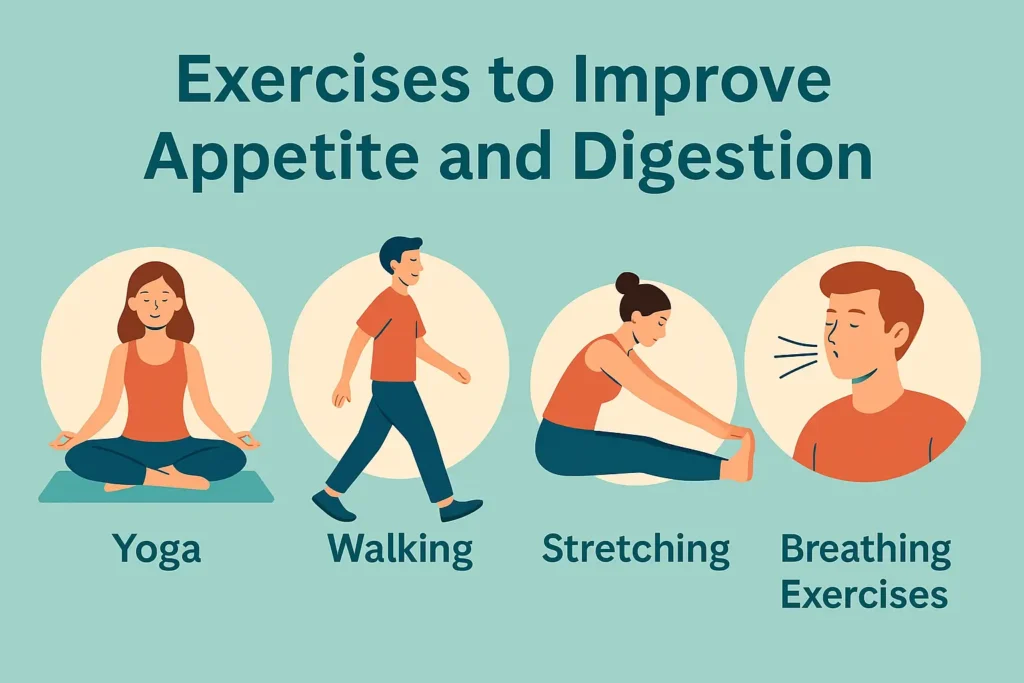
Exercise can stimulate metabolism, improve gut function, and reduce mealtime stress. Recommended activities:
- Light Yoga: Poses like Child’s Pose and Seated Forward Bend improve digestion.
- Walking: A 20-minute walk after meals aids digestion and appetite.
- Stretching: Mild stretches enhance blood flow and reduce bloating.
- Breathing Exercises: Helps reduce anxiety around food and mealtime.
- Strength Training: Bodyweight squats or resistance bands can boost metabolism and energy.
Regular, low-intensity exercises combined with a balanced diet can make meals more enjoyable and improve overall nutrition.
Conclusion
Extreme picky eating has multiple causes, including genetics, sensory sensitivities, psychological factors, and life experiences. Understanding the root causes of picky eating allows parents and adults to apply practical strategies for improving eating habits.
Whether you are helping a picky toddler or managing food aversions in an adult, the keys to success are patience, consistency, and gradual exposure to new foods. Combining these strategies with balanced diets and supportive tools, like nutritional guides, expert advice, and child-friendly cooking resources can make a real difference.
Take Action Today
Start small by introducing one new food at a time, involve children in meal preparation, and make mealtime fun and interactive. Track progress, celebrate small victories, and use the tips and diet suggestions in this guide to encourage healthier eating habits. Your efforts today can help picky eaters expand their palate, improve nutrition, and enjoy meals with confidence.
FAQs About Extreme Picky Eating
1. What causes extreme picky eating?
Extreme picky eating can be caused by genetics, sensory sensitivities, past negative food experiences, anxiety, or medical conditions. Some individuals may also have neophobia, a fear of trying new foods.
2. What is the root cause of picky eating?
The root cause varies, but it often involves a combination of psychological, genetic, and environmental factors. Some picky eaters may have heightened taste sensitivity or past negative associations with certain foods.
3. Can picky eating be a sign of an eating disorder?
Yes, in some cases. Avoidant/Restrictive Food Intake Disorder (ARFID) is a condition where individuals severely limit their food choices due to fear, sensory issues, or negative past experiences.
4. What causes picky eating in adults?
Picky eating in adults is often a result of unresolved childhood food aversions, strong eating habits, sensory sensitivities, or underlying psychological conditions like anxiety or OCD.
5. How can I help a toddler with extreme picky eating?
To help a picky toddler, avoid pressuring them to eat, make meals fun, introduce new foods gradually, and offer a variety of textures and flavors.
6. What are the best foods for picky eaters?
Nutrient-dense options include smoothies, hidden veggie meals, protein-rich foods like eggs and yogurt, and texture-friendly options such as mashed sweet potatoes and oatmeal.
7. Can exercise help improve appetite in picky eaters?
Yes, regular exercise can stimulate appetite, improve digestion, and reduce stress, making eating more enjoyable.
8. How can I expand my diet if I’m an extreme picky eater?
Start with small changes, mix new foods with familiar ones, experiment with different cooking methods, and seek support from a nutritionist or therapist if necessary.
9. Are there supplements for extreme picky eaters?
Yes, picky eaters who struggle with nutrient intake can benefit from supplements like multivitamins, protein powders, and omega-3 fatty acids. Consult a doctor before adding supplements to your diet.
10. How long does it take to overcome picky eating?
The process varies for each person. Some may see improvements in weeks, while others may take months. Patience and gradual exposure to new foods are key to long-term success.











Fruitfull knowledge