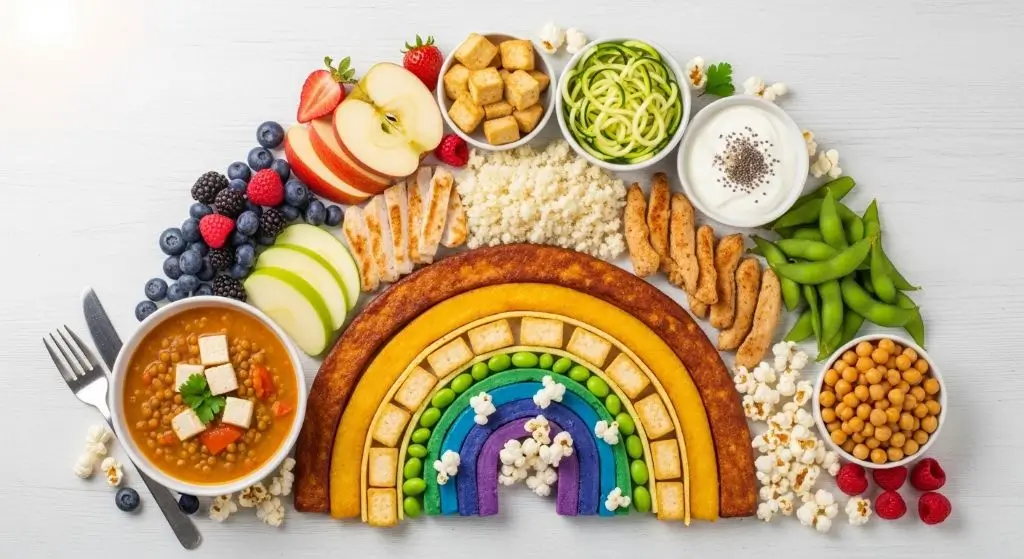
Introduction: The Secret to Feeling Full Without the Calories
Most diets fail because hunger wins. You can count macros, track steps, and download every app, but if your stomach is rumbling at 9 p.m., the cookie jar becomes irresistible. The fix is not to eat less, it is to eat smarter.
According to Healthline, some low-calorie foods can fill you up effectively without loading your body with unnecessary calories. These are the foods that keep hunger in check while helping you manage your weight naturally.
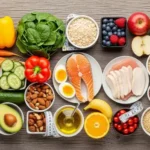
Low-Calorie Filling Foods give you the physical and psychological satisfaction of a large meal while keeping your daily calorie budget intact. They work by maximizing volume, fiber, and protein, so you feel full faster and stay full longer. When you build meals around these foods, you naturally create high-volume, low-calorie meals that crowd out cravings instead of crowding your waistband.
Table of Contents
What Makes a Food Filling? (The Science of Satiety)
Picture a growling stomach as a blinking dashboard light. The right foods switch that light from red to green, and they do it without extra calories. Three nutrients act as the master toggle:
The Hormonal Hand-Off: How Protein Talks to Your Brain
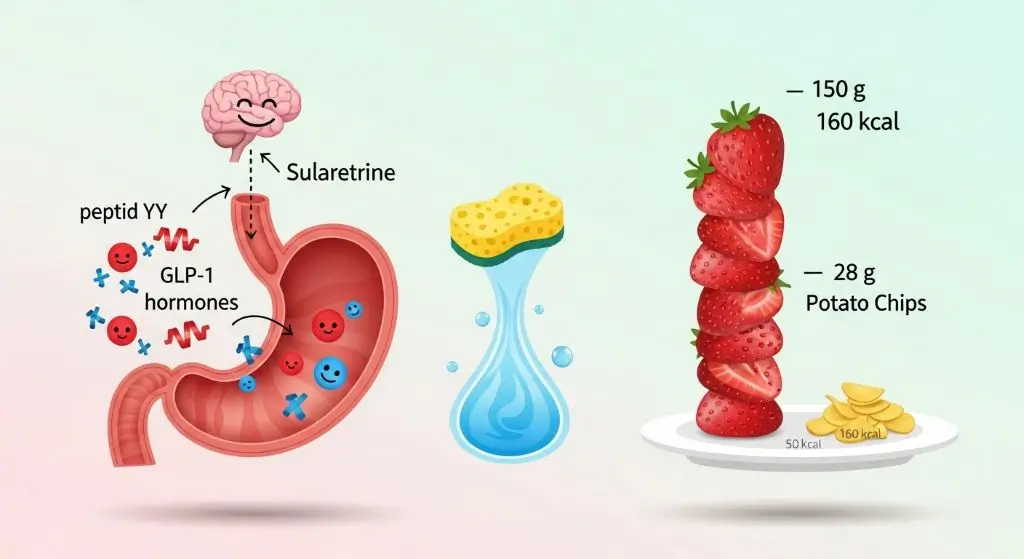
Protein is the first voice in the fullness conversation. When it reaches the small intestine, the gut releases peptide YY and GLP-1, two hormones that travel to the brain and dim the hunger spotlight. The Cleveland Clinic notes that high-protein meals can significantly improve satiety and reduce calorie intake throughout the day. A single 20-gram serving, roughly three egg whites or half a cup of cottage cheese, can keep that spotlight off for up to four hours.
The Sponge Effect: Fiber’s Slow-Release Trick
Think of fiber as a kitchen sponge dropped into a bowl of water. It swells, taking up space and slowing the drain. Soluble fiber in oats, beans, and apples forms a viscous gel that delays stomach emptying, giving you a gentle, steady rise in blood sugar instead of a roller-coaster spike and crash. Learn more about oats in our Oats vs Oatmeal: Nutrition & Benefits post.
Water Weight: Zero-Calorie Volume That Stretches the Stomach
Water adds pounds to the plate, not to the scale. A cup of broth-based soup, a crisp apple, or a wedge of watermelon delivers physical bulk that triggers stretch-receptor nerves along the stomach wall. Those nerves send “plenty, thanks” messages to the brain, and they do it without adding a single calorie to the day’s total.
Calorie Density: The Simple Math That Triples Portion Size
Calorie density is the final puzzle piece. It measures how many calories are packed into each gram of food. Strawberries give you 50 calories in 150 grams of sweet crunch, while potato chips pack 160 calories into just 28 grams of salty shards. Choose the berries and you triple stomach volume for one-third the calories, the quiet engine behind every reliable low-calorie recipes for weight loss and the secret sauce that makes Low-Calorie Filling Foods feel like magic.
A BMC Medicine peer-reviewed study confirms that water-rich and fiber-heavy foods increase satiety and reduce total daily calorie intake, reinforcing how calorie density shapes appetite.
The Ultimate Low-Calorie Filling Foods List for Weight Loss
Think of this section as your grocery cheat sheet: every item below delivers maximum fullness for minimum calories.
Fruits That Fill You Up
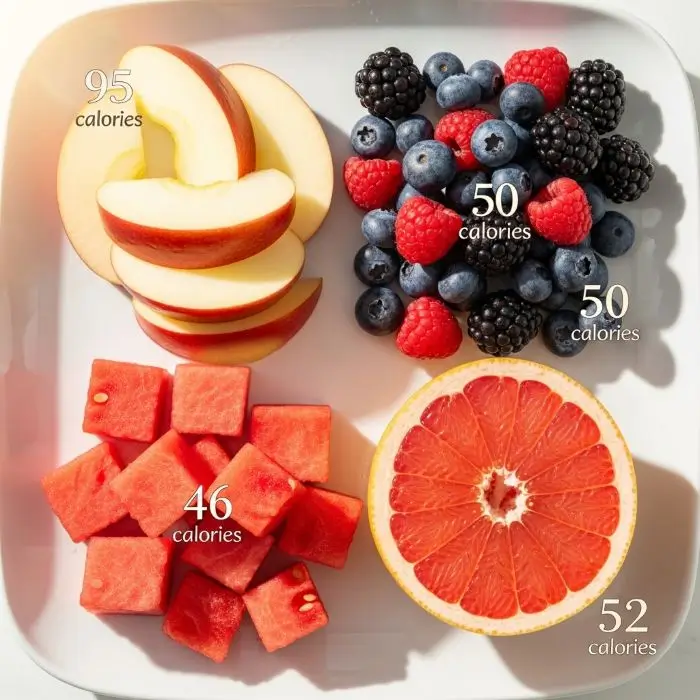
- Apples bring crunch and 4 grams of fiber for just 95 calories. The act of chewing slows you down, so your brain has time to register the meal.
- Berries add color and anthocyanins that may support fat metabolism, all for about 50 calories per cup. Research in the MDPI Antioxidants journal shows that antioxidant-rich foods like berries and leafy greens support metabolism and help reduce inflammation while keeping calorie counts low.
- Watermelon is 92 percent water, giving you 46 calories per cup and a built-in hydration boost.
- Grapefruit clocks in at 52 calories for half a large fruit and has been studied for its gentle effect on insulin levels.

Vegetables That Bulk Up Your Meals
- Zucchini noodles offer 20 calories per cup and cook in two minutes with nothing more than a hot pan.
- Spinach wilts to almost nothing, letting you slip 7 calories of potassium-rich greens into omelets, soups, and smoothies.
- Cauliflower rice keeps 25 calories per cup and takes on any spice or sauce you add.
- Bell peppers provide 30 calories each plus vitamin C, which doubles iron absorption from plant foods like beans and lentils.
Lean Proteins for Long-Lasting Fullness
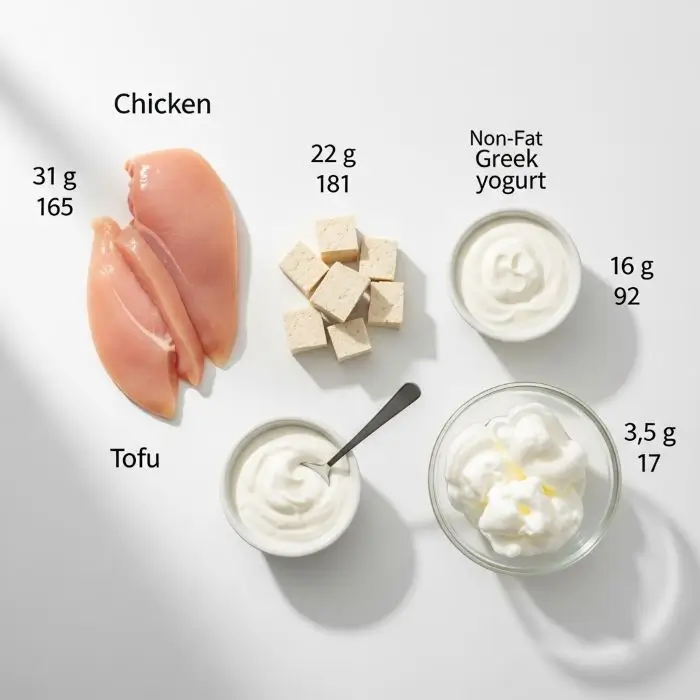
- Chicken breast supplies 31 grams of protein for 165 calories per 100 grams. Pound it thin and it cooks on the stovetop in three minutes.
- Tofu delivers 22 grams of protein for 181 calories per half cup. Press out moisture, cube, dust with cornstarch, and air-fry for a crunchy topping.
- Non-fat Greek yogurt gives 16 grams of protein for 92 calories per three-quarter cup. Swap it for sour cream on tacos or baked potatoes. Learn more about its digestion benefits in our Greek Yogurt for Bloating & Digestion post.
- Egg whites provide 3.5 grams of protein for 17 calories each. Whip them into cloud bread or fold into oatmeal for a protein boost without extra fat.
Fiber-Rich Carbs That Do Not Weigh You Down
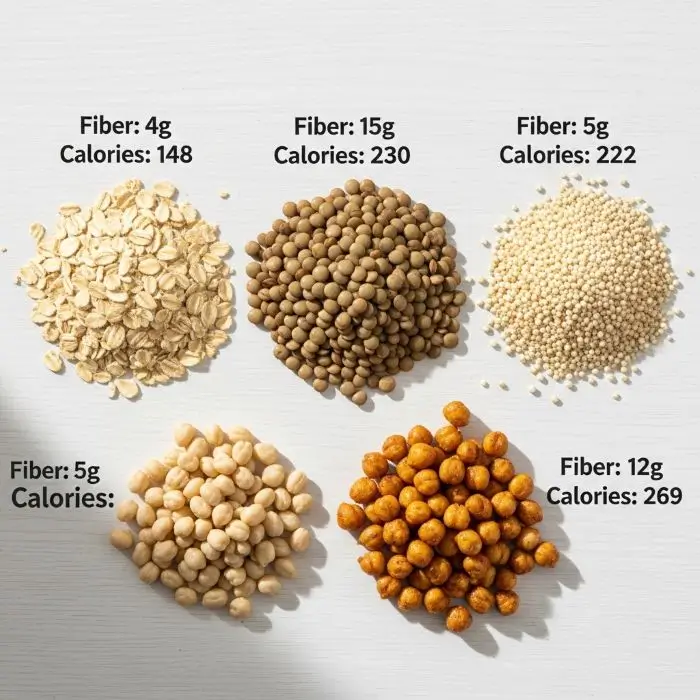
- Oats contain beta-glucan fiber that helps lower LDL cholesterol and cost 148 calories for half a cup dry. For more high-volume, low-calorie breakfast ideas, check our Oatmeal for Weight Loss Recipes.
- Lentils give 15 grams of fiber per cup cooked for 230 calories and require no soaking, just a 20-minute simmer.
- Quinoa offers a complete amino acid profile and 5 grams of fiber for 222 calories per cup cooked.
- Chickpeas provide 12 grams of fiber for 269 calories per cup cooked. Data from USDA FoodData Central confirms their high nutrient density and balanced macronutrient profile for long-lasting energy.
Smart Fats That Satisfy in Small Portions
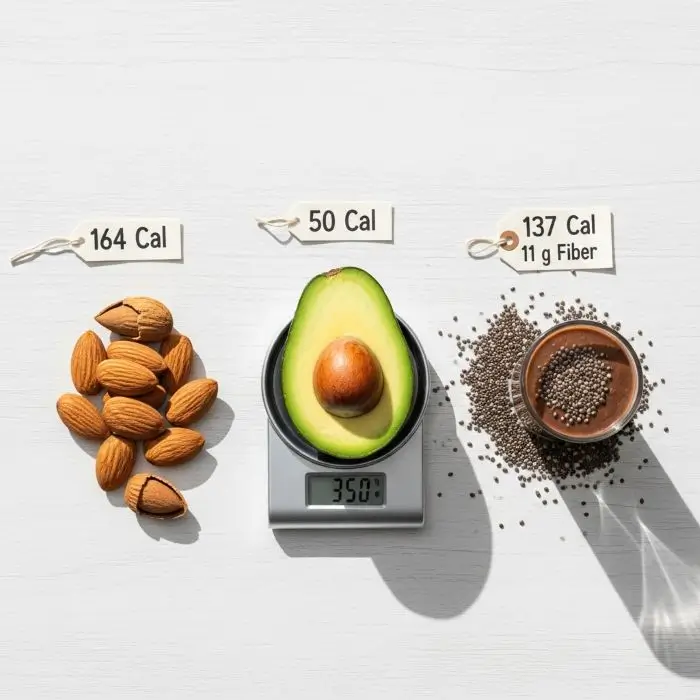
- Almonds give 164 calories per ounce and pair perfectly with an apple for a fiber-plus-fat combo that steadies blood sugar.
- Avocado adds 50 calories per 30 gram slice and delivers monounsaturated fat that supports healthy skin.
- Chia seeds create a pudding-like gel in ten minutes and offer 11 grams of fiber for 137 calories per ounce.
Also, for more overall ideas on simple, filling, low-calorie meals, see Healthy Food Ideas to Lose Weight.
Simple Low-Calorie Meals Recipes (350–450 kcal each)
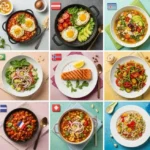
Below are six full recipe cards that turn Low-Calorie Filling Foods into balanced, plate-filling meals. Each card lists ingredients, step-by-step method, serving size, and core nutrition so you can mix, match, and stay within your goal range.
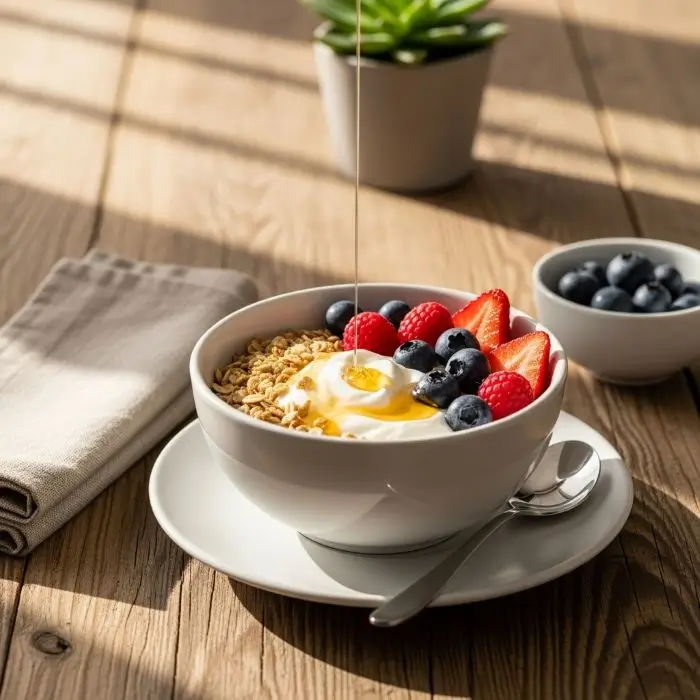
1. Greek Yogurt Power Bowl
Ingredients
- ¾ cup non-fat Greek yogurt
- ¼ cup dry oats
- ½ cup mixed berries (fresh or frozen)
- 1 tsp honey
- Pinch cinnamon
Method
Toast oats in a dry pan over medium heat for 2 min until fragrant; cool slightly. Stir yogurt in a bowl, fold in oats and berries, drizzle honey, dust with cinnamon. Let stand 5 min so oats soften, then eat.
Nutrition: 310 kcal | 22 g protein | 6 g fiber
Quick tip: Swap honey for stevia to drop 20 kcal, or add 1 Tbsp chia seeds for an extra 3 g fiber.
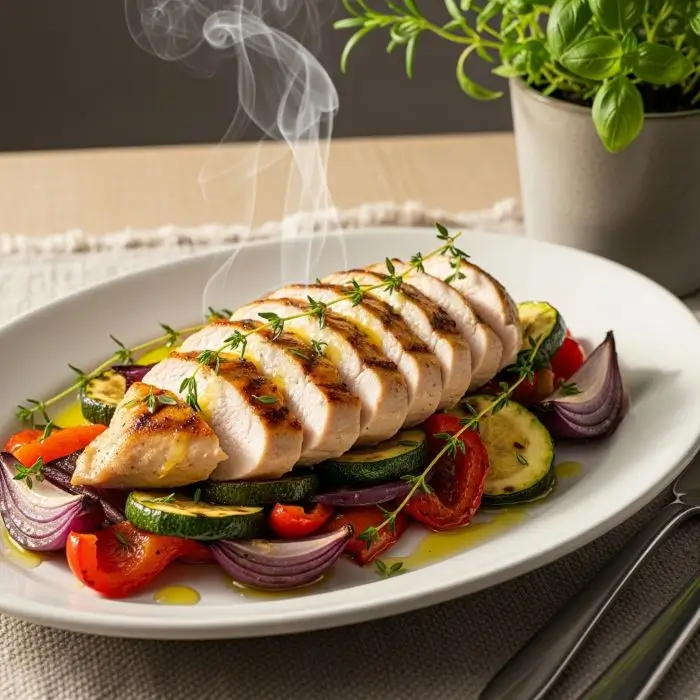
2. Grilled Chicken & Rainbow Roasted Vegetables
Ingredients
- 4 oz boneless chicken breast
- 1 cup mixed zucchini, bell pepper, red onion (large dice)
- 1 tsp olive oil
- ½ tsp dried Italian herb blend
- Salt & cracked pepper
Method
Heat oven to 400 °F. Toss veggies with oil, herbs, salt, and pepper; spread on sheet pan. Roast 20 min, stirring once. Meanwhile season chicken and grill or sear in hot skillet 4 min per side until 165 °F internal. Rest 3 min, slice, serve over veggies.
Nutrition: 350 kcal | 35 g protein | 7 g fiber
Quick tip: Use sweet-potato cubes in place of zucchini for a autumn twist, calories stay the same at 1 cup diced.
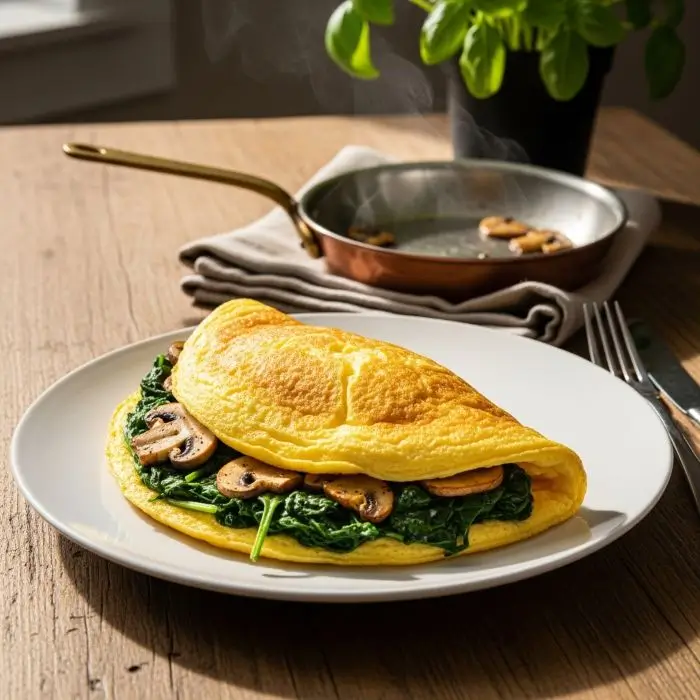
3. Egg-White Omelet with Spinach & Mushrooms
Ingredients
- 3 egg whites + 1 whole egg
- 1 cup fresh spinach
- ½ cup sliced mushrooms
- Cooking spray
- Optional salsa or hot sauce
Method
Coat non-stick pan with spray; sauté mushrooms 2 min. Add spinach, cook until wilted. Beat eggs, pour into pan, let set 30 s, gently fold omelet in half; cook 1 min more until center is firm. Slide onto plate, top with salsa if desired.
Nutrition: 220 kcal | 22 g protein | 3 g fiber
Quick tip: Out of mushrooms? Use diced bell pepper or cherry tomatoes, same cook time, same calories.
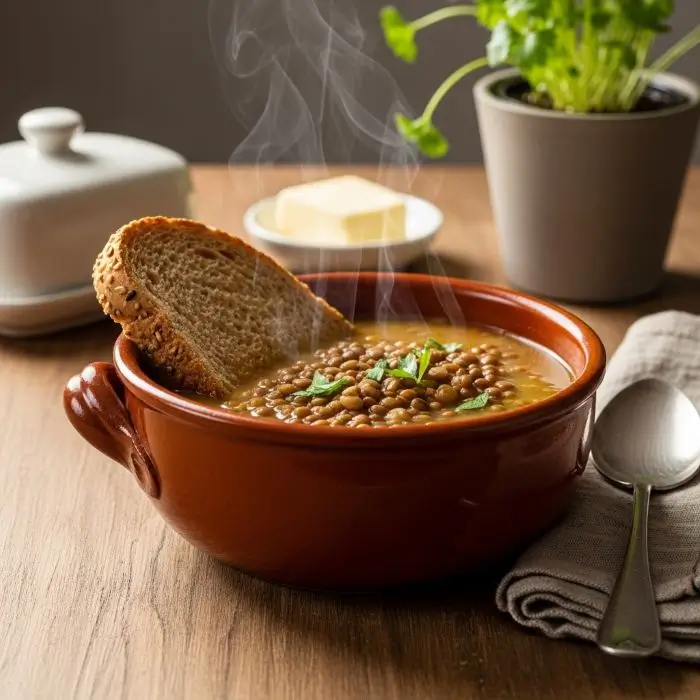
4. Classic Lentil Soup + Whole-Grain Toast
Ingredients
- 1 cup cooked green or brown lentils
- ½ cup diced tomatoes (canned, no salt)
- ½ cup diced carrots
- ¼ cup diced onion
- 1 cup low-sodium vegetable broth
- 1 slice whole-grain bread
- Lemon wedge & black pepper for finishing
Method
Combine lentils, tomatoes, carrots, onion, and broth in a pot. Bring to gentle boil, reduce heat, cover and simmer 20 min until carrots soften. Finish with squeeze of lemon and black pepper. Toast bread and serve alongside for dunking.
Nutrition: 400 kcal | 20 g protein | 12 g fiber
Quick tip: Double the batch and freeze in 2-cup containers; reheat straight from frozen for an instant week-night dinner.
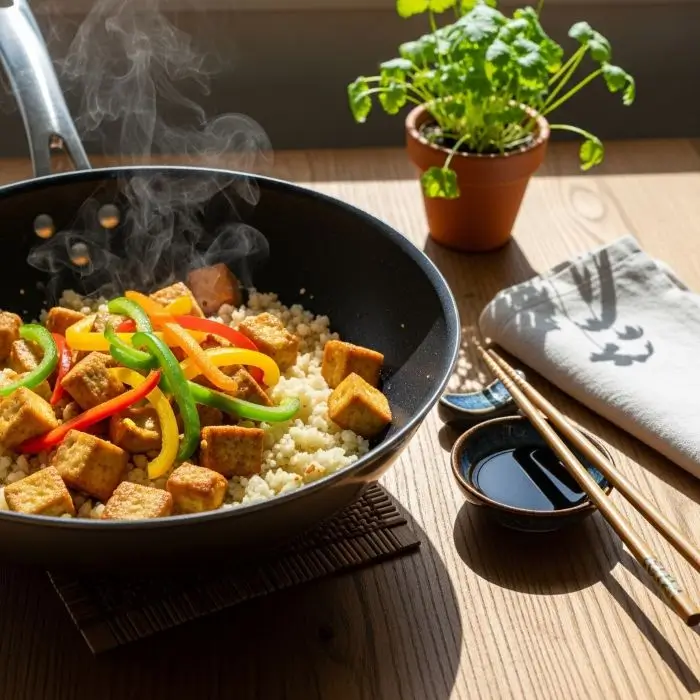
5. Stir-Fried Tofu with Cauliflower Rice
Ingredients
- ½ cup firm tofu, pressed & cubed
- 1 cup cauliflower rice (fresh or frozen)
- ½ cup mixed bell pepper & peas
- 1 tsp sesame oil
- 1 tsp low-sodium soy sauce
- 1 small garlic clove, minced
Method
Heat oil in non-stick pan or wok. Add tofu, cook 3 min until golden. Stir in garlic for 30 s, add cauliflower rice and veggies, splash with soy sauce. Stir-fry 4 min until vegetables are bright and crisp-tender.
Nutrition: 280 kcal | 18 g protein | 5 g fiber
Quick tip: Swap tofu for 4 oz shrimp and cook the same way, calories stay under 300.
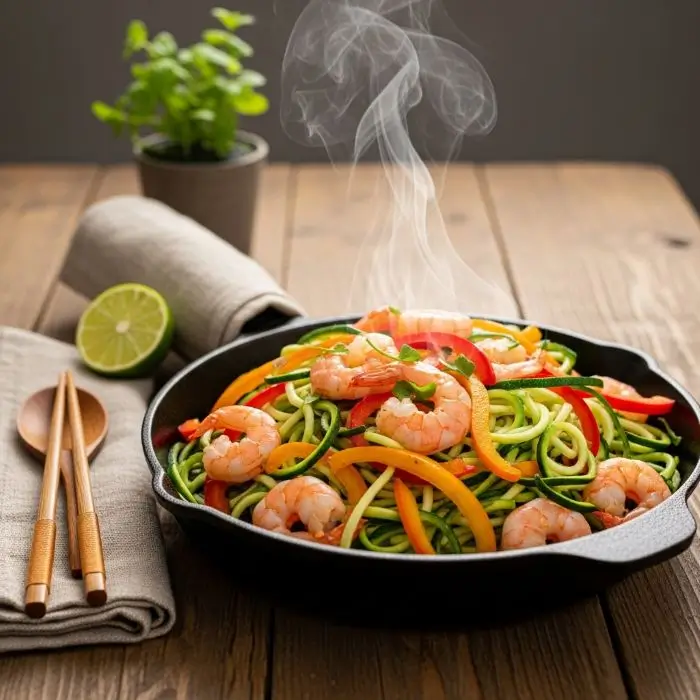
6. 10-Minute Shrimp Zoodle Stir-Fry
Ingredients
- 4 oz raw shrimp, peeled
- 2 medium zucchini, spiralized (about 2 cups zoodles)
- 1 cup bell-pepper strips
- 1 Tbsp low-sodium soy sauce
- ½ tsp grated ginger (optional)
Method
Warm a non-stick pan over medium-high heat. Add shrimp, cook 2 min until they start to turn pink. Add bell pepper and ginger, stir 1 min. Toss in zucchini noodles and soy sauce, continue to stir-fry 3 min until shrimp are opaque and zoodles are just tender. Serve immediately.
Nutrition: 189 kcal | 24 g protein | 4 g fiber
Quick tip: No spiralizer? Use store-bought zoodles or swap in broccoli florets, cook time remains the same.
These six recipe cards put Low-Calorie Filling Foods center-stage and prove that simple low-calorie meals can be big on flavor and satisfaction.
High-Volume Low-Calorie Meals for Bigger Portions
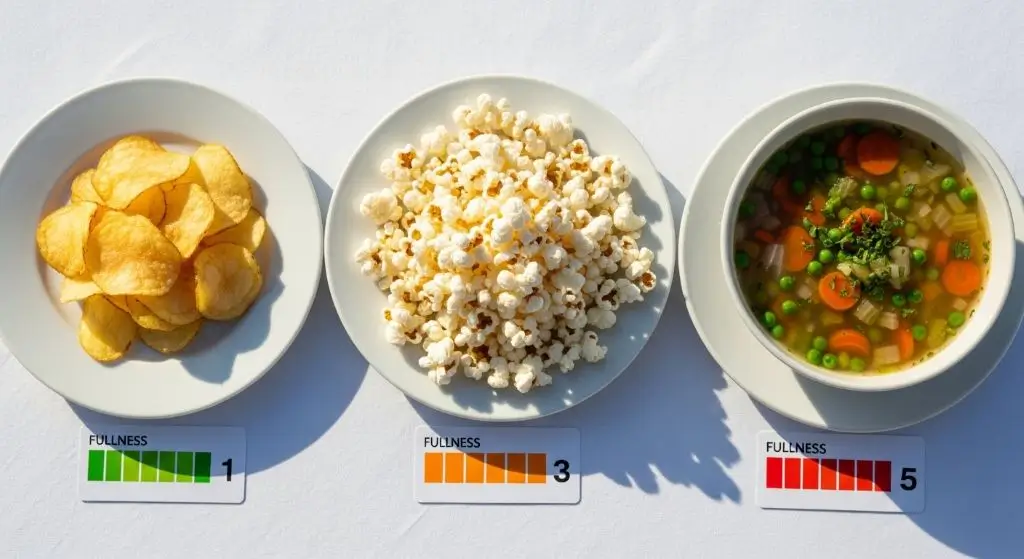
Water, air, and fiber expand in your stomach, triggering stretch receptors that signal fullness without adding calories. The chart below shows how different 100-calorie portions can look and feel:
| Food | Volume | Fullness Score (1–5) |
| Potato chips | 20 g / small handful | 2 |
| Air-popped popcorn | 3 cups | 4 |
| Vegetable soup | 1½ cups | 5 |
Starting lunch with a broth-based soup or a generous side salad can reduce your intake at the main meal by 100–150 calories without any extra effort, an easy step toward sustainable weight loss.
Low-Calorie Filling Snacks to Beat Hunger Between Meals
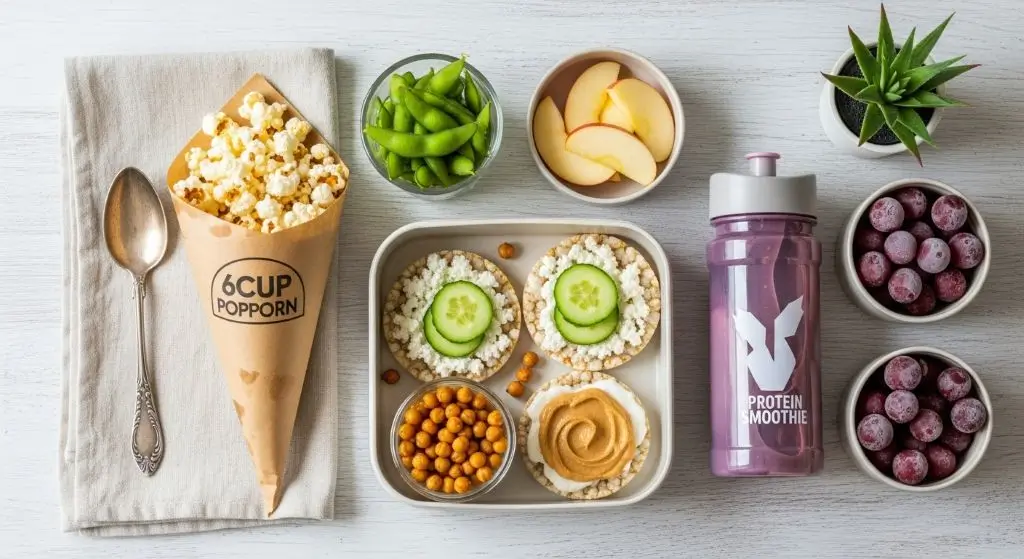
Snacking is not the enemy; smart choices are the key. Stock these low-calorie filling snacks in your desk, car, or gym bag and reach for them instead of the vending machine.
- Air-popped popcorn – 6 cups deliver 100 kcal and a satisfying crunch. Mist with vinegar and dust with smoked paprika for extra tang without extra calories.
- Steamed ed-damame – ½ cup in the pod provides 95 kcal and 8 g plant protein. Shake on chili-lime seasoning for a street-cart flavor boost.
- Rice cakes + cottage cheese – Two plain rice cakes topped with 2 Tbsp low-fat cottage cheese equal 90 kcal. Add fresh cucumber rounds for a cool, crisp bite.
- Apple & peanut butter – One medium apple with 1 tsp natural peanut butter hits 135 kcal and pairs fiber with healthy fat to steady blood sugar.
- Roasted chickpeas – ¼ cup crunchy chickpeas offers 67 kcal and 3 g fiber. Roast at 400 °F for 20 min with a dash of cumin and store airtight for a week.
- Protein smoothie – Blend 1 cup unsweetened almond milk with half a scoop of whey for a 130 kcal shake that gives 15 g protein on the go.
- Frozen grapes – 1 cup frozen red or green grapes equals 104 kcal and a popsicle-like texture that curbs sweet cravings with zero prep.
The Mindful Eating Advantage
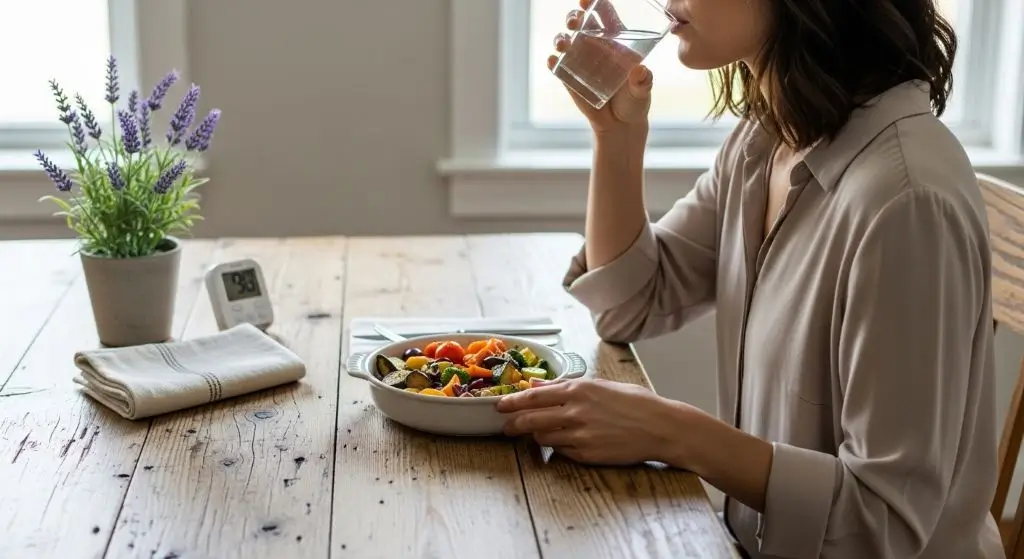
Mindful eating turns Low-Calorie Filling Foods into an even stronger tool against overeating. Use these quick habits to slow down and let your brain catch up with your stomach.
- Chew each bite 15–20 times – This simple step adds seconds to every forkful and gives satiety hormones time to reach the brain.
- Set utensils down between bites – A micro-pause lowers total meal time by up to 30%, naturally shaving calories.
- Portion before you sit – Plate your food in the kitchen instead of bringing serving bowls to the table; second helpings drop by 14%.
- Use a smaller plate – An eight-inch plate makes the same serving look larger, so you feel satisfied on 200 fewer calories.
- Notice colors and aromas – Taking two seconds to smell and admire your food increases sensory satisfaction and reduces “dessert-seeking” later.
- Drink water between bites – A small sip every third bite adds stomach volume without calories and keeps you hydrated.
- Pair these mindful moves with Low-Calorie Filling Foods and you will amplify fullness while enjoying every bite.
Building a Sustainable Eating Pattern
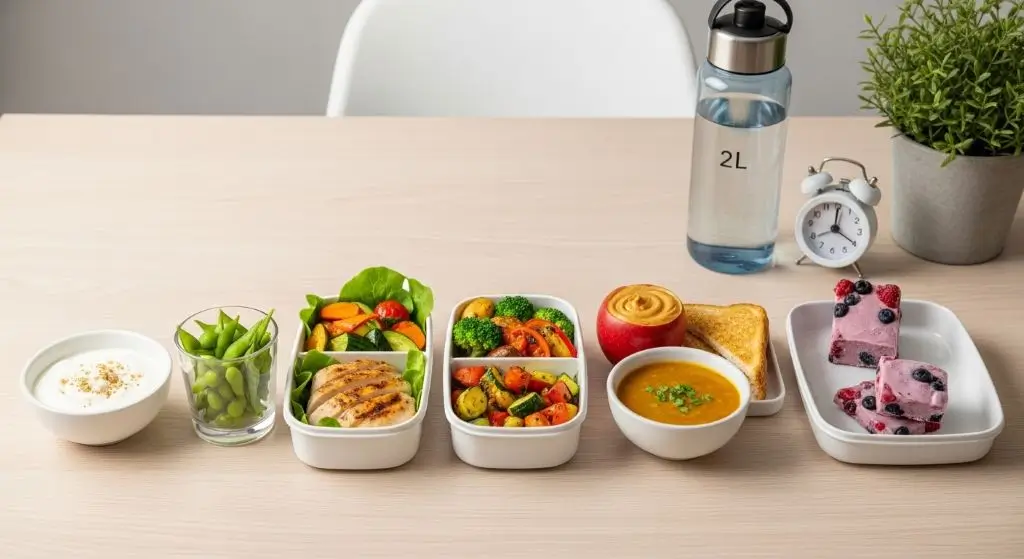
A long-term healthy weight is built on repeatable habits. Use the table below to see how low-calorie filling snacks, simple low-calorie meals, and high-volume low-calorie meals fit together in one balanced day.
| Time | Menu Item | Calories | Protein | Fiber |
| Breakfast | Greek yogurt power bowl | 310 kcal | 22 g | 6 g |
| Mid-morning | Steamed edamame (½ cup in pod) | 95 kcal | 8 g | 4 g |
| Lunch | Grilled chicken & roasted vegetables | 350 kcal | 35 g | 7 g |
| Afternoon | Apple + 1 tsp peanut butter | 135 kcal | 3 g | 4 g |
| Dinner | Lentil soup + 1 slice whole-grain toast | 400 kcal | 20 g | 12 g |
| Evening treat | Frozen yogurt berry bark | 100 kcal | 5 g | 2 g |
| Total | 1 390 kcal | 93 g | 35 g |
Hydration target: 2 L water spread through the day.
Sleep target: 7–9 h per night. Rest and fluids keep leptin and ghrelin, the hormones that control hunger and fullness in healthy ranges, making Low-Calorie Filling Foods even more effective. Repeat the outline above, swap in any recipe card from section 4, and you have a sustainable, satisfying week.
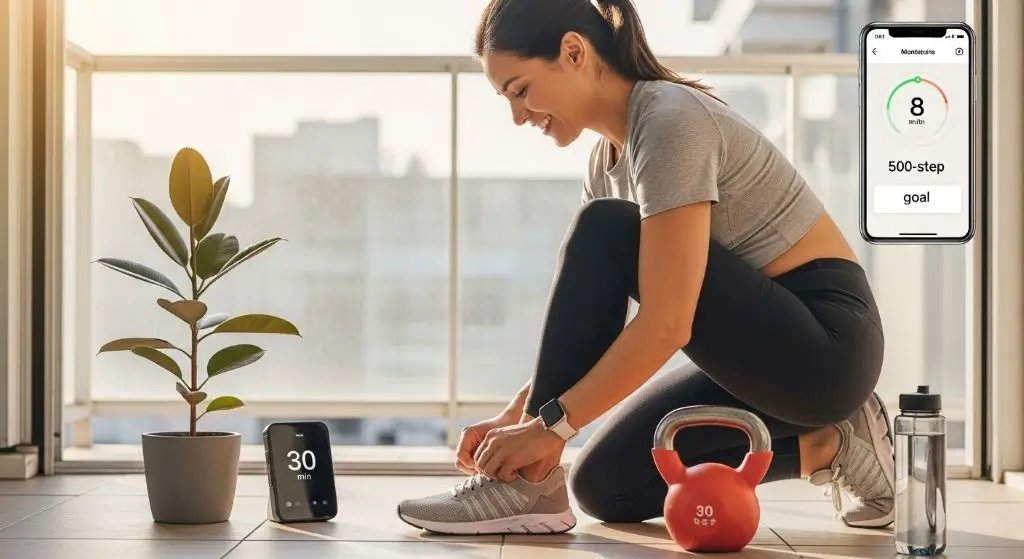
Movement: The Silent Partner
Exercise does not have to be extreme to be effective. Small, consistent doses turn Low-Calorie Filling Foods into faster results.
- Resistance train 2–3 times per week – Two 30-minute full-body sessions increase lean muscle and raise resting metabolic rate.
- Walk daily – Hit 8 500 steps; use phone reminders or short five-minute walks after each meal.
- Post-dinner brisk walk – Twenty minutes at a brisk pace can lower post-meal blood glucose by about 30 percent, helping your body use the meal for energy instead of storage.
- Micro-movement breaks – Stand up and stretch for one minute every hour; these tiny bouts add up to an extra 100–150 calories burned daily.
Stack these habits alongside Low-Calorie Filling Foods and you create a gentle, sustainable calorie deficit without marathon gym sessions.
Expert Tips to Make Low-Calorie Eating Easier
Small systems beat big willpower. Use the quick wins below to keep Low-Calorie Filling Foods within arm’s reach and temptation out of sight.
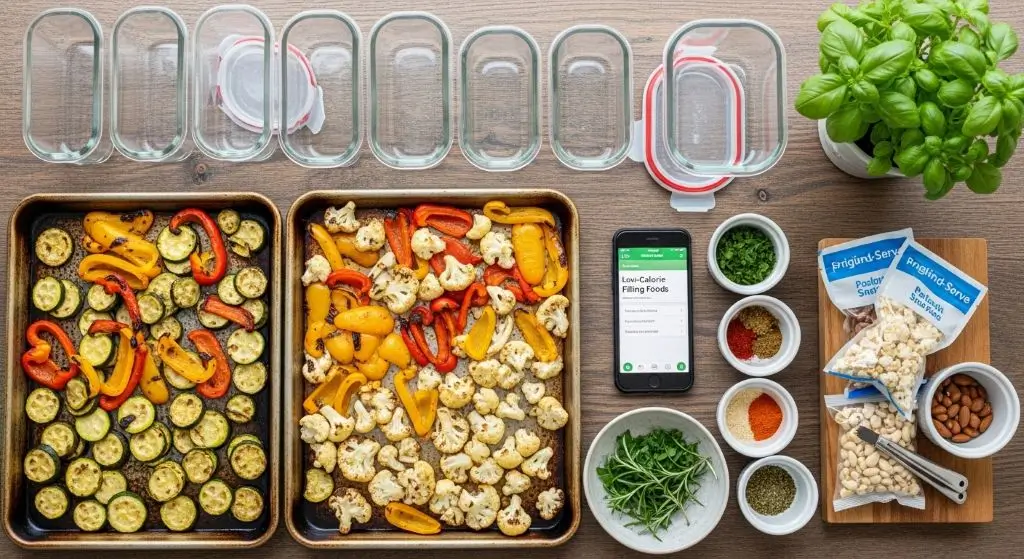
- Batch-roast vegetables – Load two sheet pans with zucchini, peppers, and cauliflower on Sunday; store in glass containers for instant sides all week.
- Keep a live grocery list – Save a note on your phone titled “Low-Calorie Filling Foods” and update it the moment an item runs low so your kitchen is never bare.
- Flavor without fat – Swap oil for herbs, citrus zest, chili powder, or smoked paprika to save 120 calories per tablespoon while keeping taste high.
- Pair protein + fiber every time – Think cottage cheese with pineapple, tuna with celery sticks, or lentil soup with a side salad; the combo keeps ghrelin quiet for hours.
- Portion before hunger strikes – Divvy popcorn, roasted chickpeas, or almonds into single-serve bags or jars so you eat with your plan, not with your eyes.
Put these habits on repeat and Low-Calorie Filling Foods will do the heavy lifting no strict diet rules required.
Final Thoughts: Eat More, Weigh Less
Low-Calorie Filling Foods are the quiet superpower behind lasting weight loss. They let you pile your plate, steady your energy, and quiet cravings while the scale heads in the right direction. Choose one small action today, trade chips for air-popped popcorn, add an extra cup of roasted vegetables to dinner, or simmer a double batch of lentil soup for the week. Tiny steps stack into big, life-changing results.
Bookmark this low-calorie food list for weight loss, share it with a friend, and start building meals that keep you full, energized, and in control.
FAQ’s: Low-Calorie Filling Foods
1. What are the best low-calorie filling foods for weight loss?
The best options are non-fat Greek yogurt, lentils, oats, berries, air-popped popcorn, and other surprisingly filling low-calorie foods. They deliver high protein or fiber for under 200 kcal per serving, keeping you full while staying in a calorie deficit.
2. Can you give me a low-calorie food list for weight loss that actually keeps me full?
Yes. Combine lean proteins (chicken breast, tofu), high-volume vegetables (zucchini, spinach), and fiber-rich carbs (quinoa, chickpeas) to create a list that fills your plate without filling your calorie tracker.
3. What are some simple low-calorie meals I can cook in under 15 minutes?
Quick winners include Greek yogurt power bowls, egg-white omelets with spinach, 10-minute shrimp zoodle stir-fry, and lentil soup made from pre-cooked lentils. Each meal lands between 220–400 kcal and packs 20 g+ of protein.
4. How do high-volume, low-calorie meals help with fat loss?
They stretch the stomach with water, air, and fiber, triggering stretch-receptor signals that tell the brain “I’m satisfied” while delivering minimal calories. Starting a meal with vegetable soup or a large salad can cut total meal calories by up to 20%.
5. What are the top low-calorie filling snacks to stop cravings?
Keep air-popped popcorn, roasted chickpeas, steamed edamame, rice cakes with cottage cheese, and frozen grapes on hand. All stay under 135 kcal per serving and provide at least 3 g of fiber or protein to curb hunger between meals.
6. Is it possible to build muscle while eating low-calorie filling foods?
Absolutely. Prioritize protein-rich choices like Greek yogurt, tofu, lentils, and chicken breast within your calorie target, and pair them with resistance training 2–3 times per week. The high protein content supports muscle repair while the low calorie density supports fat loss.
7. How many calories should a low-calorie filling meal contain for sustainable weight loss?
Most people see steady progress when main meals land between 350–450 kcal and snacks stay under 150 kcal. This range keeps daily intake near 1,400–1,600 kcal for many adults, creating the moderate deficit needed for 0.5–1 kg (1–2 lb) of fat loss per week.



Thank you for your sharing. I am worried that I lack creative ideas. It is your article that makes me full of hope. Thank you. But, I have a question, can you help me?
yes if i can i will definitely help you