Healthy Eating for Kids: Why It Matters
Healthy eating for kids is about more than just food, it shapes their energy, focus, and overall growth. When children eat balanced meals rich in nutrients, they stay active, learn better, and feel stronger. Helping kids build healthy habits early doesn’t just support their childhood, it sets them up for lifelong wellness. In this guide, we’ll look at kids’ nutrition essentials, simple meal ideas, and how parents can make healthy eating fun.
Table of Contents
Why Healthy Eating for Kids Is So Important
Healthy eating for kids shapes both their body and mind. A balanced diet gives children the protein to build strong muscles, calcium for healthy bones, and vitamins to support a strong immune system. Beyond physical growth, good nutrition sharpens memory, focus, and learning, skills every child needs in school.
When kids eat nutrient-rich foods, their energy stays steady through the day. They can concentrate better in class, enjoy sports, and feel more active overall. On the other hand, poor eating habits raise risks of obesity, type 2 diabetes, and heart problems later in life.
Teaching healthy eating early isn’t just about preventing illness, it’s about giving children a positive relationship with food. When kids learn that food is fuel, not something to fear or overindulge in, they grow into adults who make wiser, healthier choices for life.
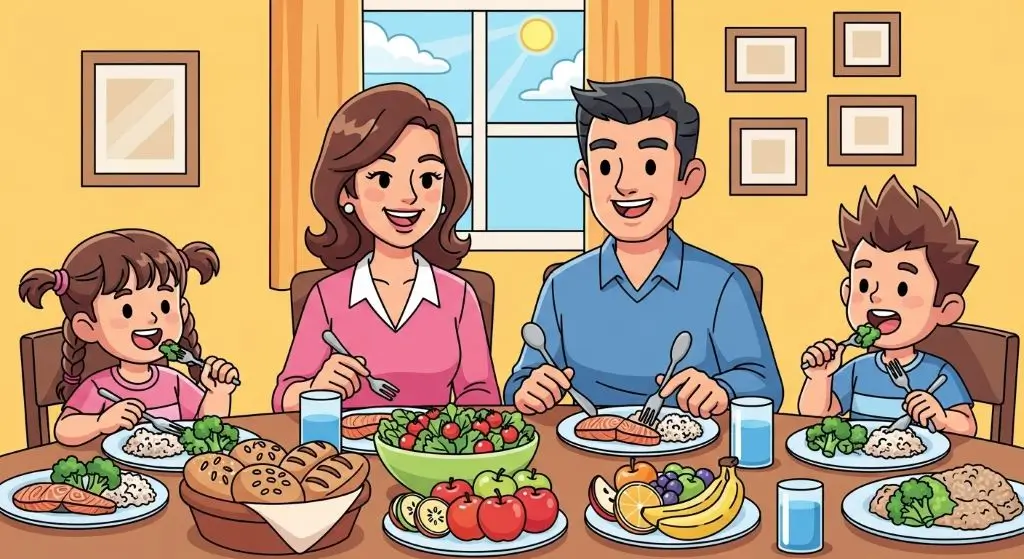
For more information on the benefits of healthy eating, you can refer to the American Heart Association’s healthy eating guidelines.
Key Nutrients Kids Need for Growth
Protein
Helps build muscles, repair tissues, and strengthen the immune system. Found in lean meats, eggs, beans, and nuts. For more ideas, explore these high-protein breakfast ideas that kids will enjoy.
Calcium
Essential for strong bones and teeth. Good sources include dairy products, leafy greens, and fortified plant-based options.
Fiber
Aids digestion, keeps kids full longer, and supports gut health. Found in fruits, vegetables, whole grains, and legumes. For practical snack inspiration, check out these fiber-rich low-calorie snack ideas that are both kid-friendly and nutritious.
Iron
Carries oxygen through the body by producing hemoglobin. Lean meats, legumes, and fortified cereals are rich sources.
How to Encourage Healthy Eating Habits in Kids
Encouraging healthy eating for kids starts with parents leading by example. When children see you enjoying balanced meals, they’re more likely to copy those choices.
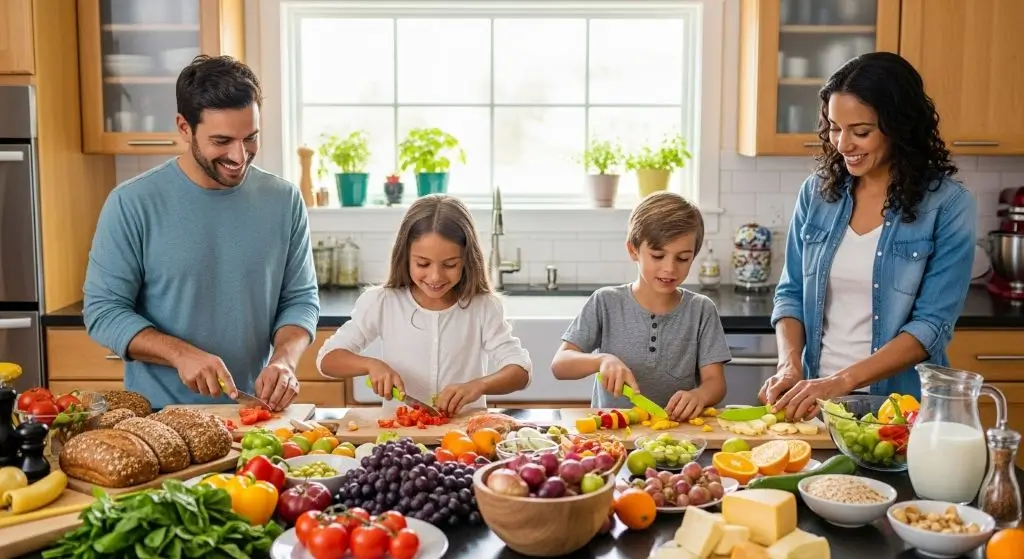
Get kids involved in the process-plan meals together, take them grocery shopping, or let them help in the kitchen. When they feel proud of what they’ve made, they’re more open to trying new foods.
Create a positive mealtime environment. Serve a variety of nutrient-rich foods in fun and appealing ways. Avoid pressuring kids to clean their plate; instead, offer meals family-style so they can choose what and how much to eat.
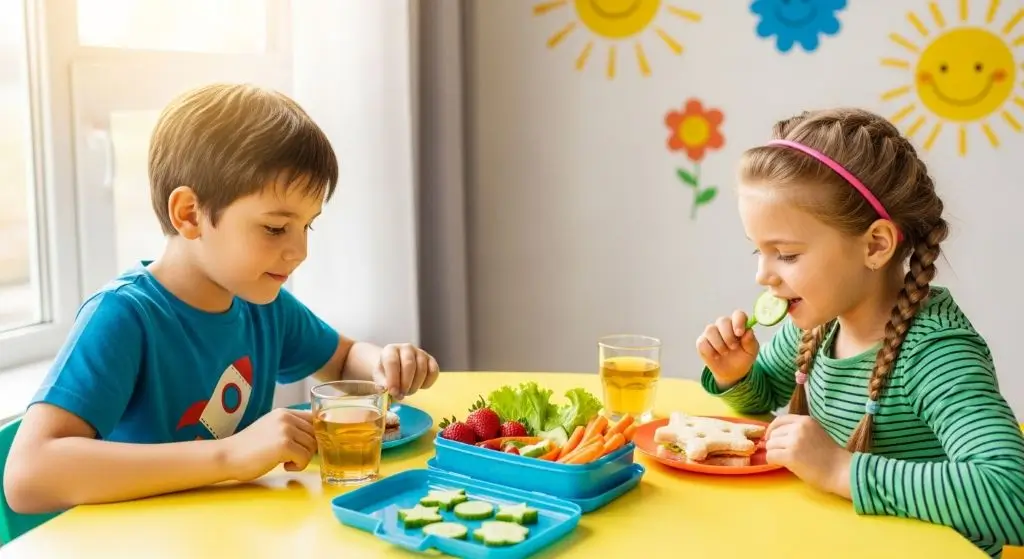
Make nutrition fun. Cut fruits into playful shapes, try colorful veggie days, or plan theme meals. Teach kids about the benefits of different food groups in simple terms they can understand. Praise their healthy choices rather than rewarding with sweets, this builds a positive relationship with food and sets the stage for lifelong habits.

Ways to Encourage Kids to Eat Better
- Be the Example – Children copy what they see. If you eat healthy, they’re more likely to do the same.
- Get Them Involved – Let kids help with meal planning, grocery shopping, or cooking. It makes them curious and excited to try new foods.
- Build Balanced Plates – Use the simple plate method: half fruits and veggies, one-quarter whole grains, one-quarter lean protein.
- Swap the Sweets – Replace candy and processed snacks with fruit, yogurt, or nuts as tasty, healthy alternatives. For more practical strategies, explore these picky eater tips for parents to make mealtime smoother.
👉 Learn more about balanced meals from MyPlate.
How to Create a Balanced Diet for Kids
A balanced diet for kids means giving them the right mix of fruits, vegetables, whole grains, protein, and healthy fats. Each group brings something important vitamins, energy, or growth support.
Start simple:
- Half the plate should be colorful fruits and veggies like berries, carrots, or leafy greens.
- One-quarter for whole grains such as brown rice, quinoa, or whole wheat bread.
- One-quarter for lean protein-chicken, fish, eggs, beans, or tofu.
- Add healthy fats from nuts, seeds, avocado, or olive oil to support brain health.
- Include dairy or fortified alternatives for calcium and vitamin D.
Keep portions in check since kids’ energy needs vary with age and activity. Limit processed foods high in sugar, salt, and unhealthy fats. And don’t forget hydration, water should be their go-to drink instead of sodas or sugary juices.
Bottom line: balanced meals, portion control, and good hydration set the foundation for healthy eating for kids.
A Full Day Meal Plan for Kids
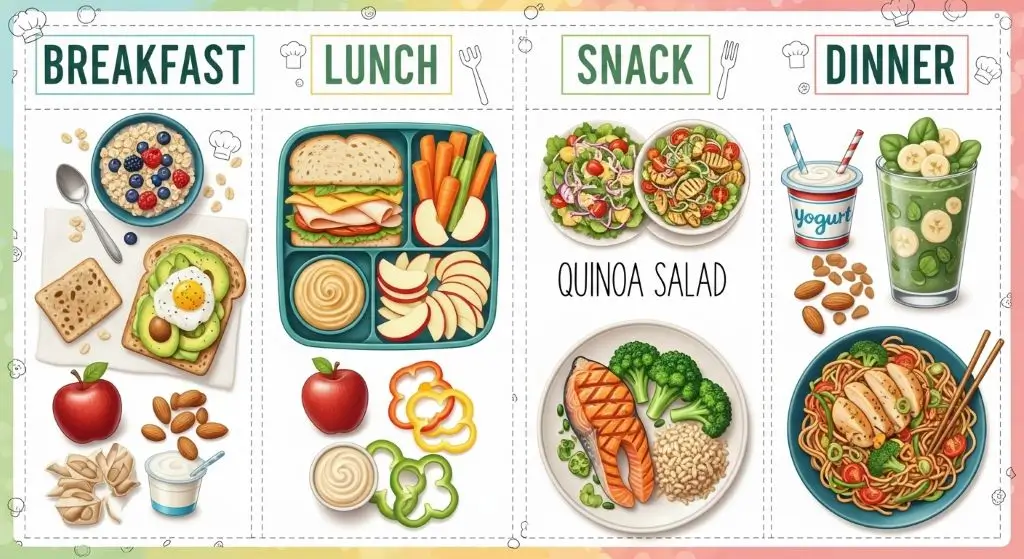
Kids thrive when their meals are balanced, colorful, and consistent throughout the day. A well-planned mix of breakfast, lunch, snacks, and dinner not only fuels their bodies but also sharpens their focus, boosts mood, and builds lifelong healthy eating habits. Here’s a simple guide to structuring a nourishing day of meals.
Breakfast: The Main Feast
A solid breakfast establishes the vibe for the afternoon. Consolidate entire grains, proteins, and organic products. Thoughts include:
- Entire grain cereal with low-fat milk and a banana.
- Fried eggs with entire wheat toast and new berries.
For fun and creative healthy breakfast ideas, check out this YouTube video.
Solid Lunchbox Thoughts
Pack supplement thick snacks to keep kids stimulated over the course of the day. A few choices are:
- A turkey and cheddar wrap with a side of carrot sticks and hummus.
- A quinoa salad with cherry tomatoes, cucumber, and barbecued chicken.
For more lunch ideas, explore healthy lunch recipes.
Snack Ideas to Keep Kids Energized
Snacks keep kids energized between meals and help maintain steady focus. Choose options that are both tasty and nutritious, such as:
- Apple slices with a spoon of peanut butter
- Greek yogurt with berries and a drizzle of honey (see more healthy Greek yogurt desserts your kids will love)
- Whole-grain crackers with cheese
- A small handful of mixed nuts and dried fruit
Snacks should be light but nourishing, something that bridges the gap until the next meal without relying on sugary or processed foods.
Wholesome Dinner Ideas
Dinner is the time to bring balance and variety to the table. Aim for colorful plates that cover all food groups. Here are some family-friendly options:
- Grilled salmon with brown rice and steamed broccoli
- Whole-wheat pasta with tomato sauce, lean ground turkey, and a side salad
- Chicken stir-fry with mixed vegetables and quinoa
- Lentil curry served with whole-grain flatbread and cucumber yogurt
Dinner is also a great time to encourage family-style eating, where kids can serve themselves. This makes them feel independent while still guiding them toward healthy choices.
Overcoming Common Challenges in Healthy Eating
Healthy eating for kids can feel tricky when picky eaters, busy schedules, or junk food cravings get in the way. The key is patience, planning, and a little creativity.
Picky Eaters
It’s normal for kids to go through picky eating phases. The trick is gentle exposure, not pressure. Introduce new foods gradually by offering small portions alongside their favorites. A single bite is progress, and repeated exposure helps them become more open over time.
Busy Schedules
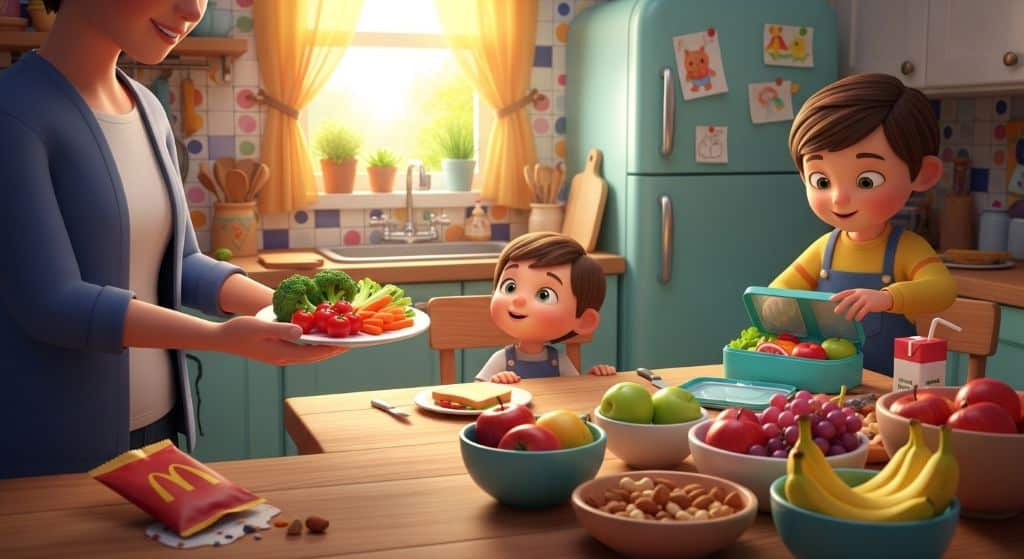
When family life gets hectic, convenience food can feel like the easy way out. A little planning helps prevent that trap. Try weekend meal prep-wash and chop veggies, cook a batch of grains, or pack grab-and-go snacks. Having healthy options ready makes it easier to stick with healthy eating for kids, even on the busiest weekdays.
The Temptation of Junk Food
Unhealthy snacks will always be around, but you can make the better choice the easier choice. Keep fruits, nuts, yogurt, or homemade energy bites accessible at home. Make healthy alternatives fun, like fruit skewers or colorful veggie wraps, so kids actually look forward to them.
Bottom line: consistency matters more than perfection. With small, steady steps, families can overcome daily hurdles and keep kids on track toward lifelong healthy eating habits.
Healthy Snacks for Kids
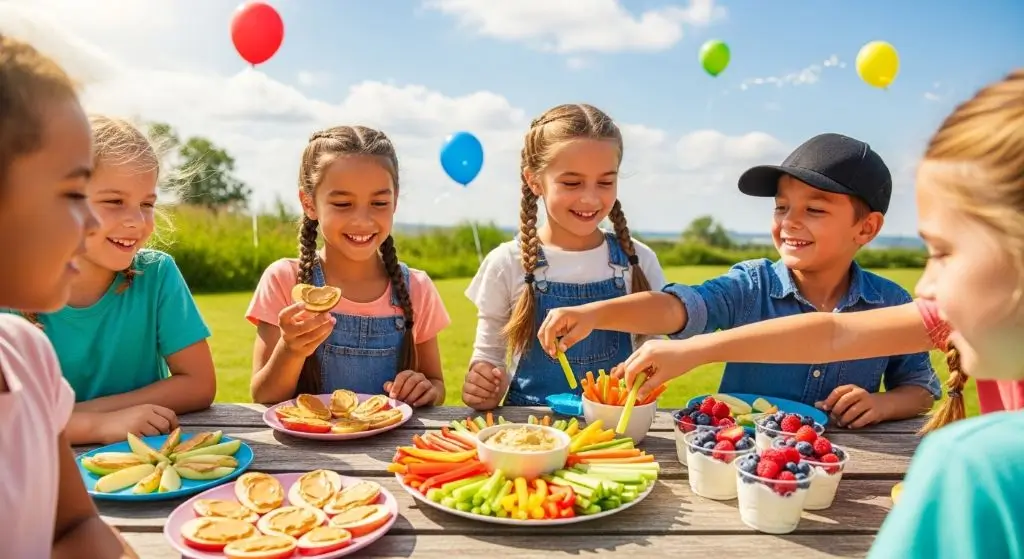
Snacks aren’t just fillers between meals, they play an important role in keeping kids energized, focused, and growing strong. The key is choosing options that balance protein, healthy fats, and fiber so hunger stays in check and energy levels remain steady.
Think of simple pairings like apple slices with peanut butter, which deliver fiber, protein, and healthy fats, or Greek yogurt topped with granola and berries for a dose of calcium, antioxidants, and crunch. Veggie sticks such as carrots and cucumbers go perfectly with hummus, adding plant-based protein and healthy fats. A homemade trail mix with nuts, seeds, and dried fruit is another fun, nutrient-packed option.
Whole-grain crackers with cheese or a boiled egg make easy savory choices, while fresh fruits like bananas, grapes, and oranges offer natural sweetness without added sugar. Smoothies that blend fruits, veggies, and yogurt are a playful way to sneak in extra nutrition.
By offering a variety of wholesome, tasty snacks, parents can help kids build healthy eating habits that support energy, focus, and long-term well-being.
Best Snack Ideas:
- Apple slices with peanut butter
- Greek yogurt with honey and granola
- Veggie sticks with guacamole or hummus
- Homemade popcorn with a sprinkle of cheese
Need more inspiration? Check out this YouTube video on fun and healthy snack ideas.
Hydration: The Overlooked Part of Healthy Eating for Kids
Hydration is one of the simplest but most overlooked parts of a child’s diet. Parents often focus on food, yet water is just as important for healthy eating for kids. It supports digestion, regulates body temperature, keeps skin healthy, and ensures cells and organs work properly.
Milk is also valuable since it provides calcium and vitamin D, but water should remain the go-to drink. To make it fun, try colorful cups, reusable bottles, or a splash of lemon, cucumber, or fruit for natural flavor.
Staying hydrated not only protects physical health but also boosts focus, energy, and mood -all essential for school and play. Children are more prone to dehydration, especially during sports and outdoor activities, which can lead to fatigue, irritability, headaches, and poor concentration.
While many kids reach for soda, juice, or flavored drinks, these often come with added sugars that raise the risk of obesity and dental problems. The healthier habit is simple: serve water at meals, keep bottles handy during the day, and encourage small sips throughout activities. Building this routine early helps children grow up seeing water as their first and best choice.

The Role of Family in Promoting Healthy Eating
Parents as Role Models
Children learn first by watching. When parents make nutritious food choices, kids naturally pick up those habits. Eating together shows them what balanced meals look like in practice.
Power of Family Meals
Regular family mealtimes build connection and consistency. They also create natural opportunities for children to see and experience healthy eating in action.
Involving Kids in Meal Prep
Letting children choose ingredients, help in the kitchen, or plan meals sparks curiosity. This hands-on role makes them more open to trying new foods and develops a positive relationship with nutrition.
Building a Positive Food Environment
Avoid turning meals into a battle. Don’t force, bribe, or punish with food. Instead, offer a variety of healthy choices, let kids decide what they want from the options, and celebrate small wins when they try new foods.
Lasting Habits Through Family Support
When the whole family works together to prioritize good nutrition, kids are more likely to carry those habits into adulthood. Healthy eating becomes a lifestyle, not a rule.
If you want maximum SEO impact for healthy eating for kids while still sounding natural, I’d suggest using:
👉 Learn more about family meals on ChooseMyPlate
Conclusion
Promoting healthy eating for kids goes beyond serving nutritious meals. It’s about shaping daily habits, setting positive examples, and creating an environment where good food feels normal and enjoyable. By offering balanced meals, encouraging smart snacking, involving children in meal prep, and supporting healthy hydration, parents can lay the foundation for lifelong wellness.
Bottom line: every small step, whether it’s a family meal, a fun snack, or a glass of water, helps kids build a healthier future.
👉 Start today by making one simple change-swap a sugary drink for water, add an extra fruit to your child’s lunchbox, or plan a family dinner. Small habits grow into lasting health.
FAQs on Healthy Eating for Kids
Why is healthy eating important for kids?
Healthy eating supports children’s growth, boosts energy, strengthens immunity, and builds habits that last into adulthood.
How can I encourage my child to eat healthier?
Offer a variety of colorful foods, involve kids in meal prep, and avoid pressuring them. Kids are more likely to try new foods when they feel included.
What’s the best way to replace junk food in my child’s diet?
Start by swapping one item at a time. Replace sugary drinks with water or milk, and offer fruit, yogurt, or veggie sticks instead of chips and candy.
How many meals and snacks should kids eat daily?
Most kids do well with three balanced meals and two healthy snacks to maintain energy and focus throughout the day.
Can small changes really make a difference?
Yes. Even small steps, like adding a piece of fruit to breakfast or making water the main drink, can build healthier long-term habits.