
Introduction
Do you have someone who won’t eat anything green or shoves away a whole plate if they see a small bit of onion? If so, then you may be working with a picky eater. Picky eating is prevalent, particularly in children, but it can continue into adulthood.
Knowing the characteristics of a picky eater can assist parents, caregivers, and individuals deal with selective eating patterns more successfully.
In this article, we will discuss the most important traits of a picky eater, the 5 P’s of picky eating, and the personality types typically associated with picky eaters. We will also discuss the underlying reasons behind picky eating and how it can be managed effectively.
Table of Contents
What Is Considered a Picky Eater?
A picky eater prefers certain foods over a large variety of others. They are also selective on the texture, color, aroma, or even food presentation on their plate. But what is considered a picky eater? Here are some of the most common signs:
- Refusing to try new foods (food neophobia).
- Preferring bland, processed, or familiar foods.
- Avoiding certain textures (e.g., mushy, crunchy, slimy).
- Picking out or removing ingredients from meals.
- Having strong reactions to food smells or appearances.
- Eating a limited variety of foods.
- Experiencing stress or anxiety when faced with new foods.
These behaviors can affect nutritional intake, making it essential to understand the characteristics of a picky eater and ways to manage their eating habits.

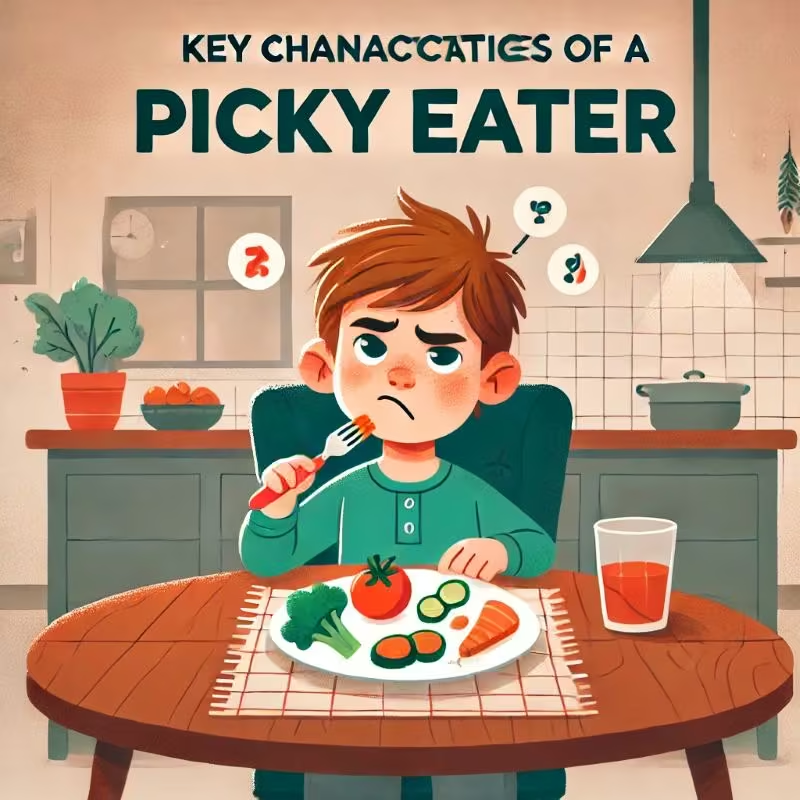
Key Characteristics of a Picky Eater
To better understand picky eating, let’s break down the key characteristics of a picky eater:
1. Resistance to New Foods (Food Neophobia)
One of the most frequent traits of a picky eater is their reluctance or refusal to take new foods. This may be due to anxiety about new tastes and textures.
2. Preference for Certain Textures
Some picky eaters may dislike soft or mushy foods (like mashed potatoes), while others refuse to eat anything crunchy or chewy. Texture plays a crucial role in their food preferences.
3. Limited Food Variety
Picky eaters often have a short list of acceptable foods. This can lead to an imbalanced diet lacking essential nutrients.
4. Sensitivity to Smells
Another characteristic of a picky eater is a strong distaste for particular food odors. Some scents, no matter how faint, will induce them to lose their appetite.
5. Rejection Based on Appearance
Most picky eaters shun foods based on color, shape, or appearance. They may, for instance, reject a meal solely because it contains visible herbs or blended ingredients.
6. Strong Food Preferences
Picky eaters usually have definite preferences regarding the preparation or presentation of food. They may want food with no sauce, unseasoned, or prepared in only certain ways (e.g., plain pasta with no toppings).
7. Overreaction to Food Changes
When a favorite preparation technique or brand is altered slightly, a picky eater might refuse to consume the food at all.
8. Preference for Processed or Fast Foods
Most picky eaters gravitate towards routine, processed food such as fries, chips, and chicken nuggets, excluding homemade or organic foods.
9. Eating the Same Meals Repeatedly
A picky eater can consistently eat the same meal every day without tiring of it and will not have variety in the diet.
10. Avoidance of Certain Food Groups
Some picky eaters entirely avoid specific food groups like vegetables, fruits, or proteins.
11. Slow Eating or Skipping Meals
A picky eater may take a long time to finish their meal or even skip meals due to a lack of appealing options.
12. Anxiety Around Mealtime
A few picky eaters feel anxious or tantrum at the time of a meal, particularly when forced to consume new foods.
13. Preference for Familiar Brands
Picky eaters often stick to specific brands, rejecting alternatives even if they taste the same.
By identifying these characteristics of a picky eater, parents and caregivers can begin to introduce healthier eating habits in small steps.
What Are the 5 P’s of Picky Eating?
Picky eating can be infuriating for both the person and caregivers. To better grasp this behavior, professionals break it down into five primary factors, referred to as the 5 P’s of Picky Eating: Preference, Persistence, Pattern, Portion, and Pressure.
These factors assist in understanding why certain individuals have difficulty increasing their diets and how their eating patterns evolve. Let’s examine each “P” in greater detail.
1. Preference: A Strong Liking for Specific Foods
One of the characteristics of a picky eater is that he or she will have a very strong preference for some textures, flavors, and colors. He or she may like crunchy but not mushy, or prefer plain-colored to mixed.
For example:
- A child might love crunchy crackers but refuse to eat mashed potatoes.
- Some picky eaters enjoy plain pasta but refuse pasta with sauce.
- They might prefer only white or yellow foods, avoiding anything green or red.
This selectivity based on preference complicates meal planning since they have a very narrow range of acceptable foods.
2. Persistence: Strong Resistance to New Foods
Their food refusal is not an isolated incident; they always refuse new or novel foods. This makes it difficult to introduce a balanced diet since they remain with a small repertoire of foods
For example:
- A child may refuse to try broccoli even after seeing their siblings eat it.
- A picky eater might push away a dish with onions, even if they are finely chopped and barely visible.
- Even when encouraged, they continue to reject foods they dislike instead of gradually adjusting to them.
This repeated refusal can be infuriating for caregivers, and mealtimes become a daily struggle.
3. Pattern: Predictable and Repetitive Eating Habits
One of the usual traits of a picky eater is his/her adherence to a consistent pattern of eating. For instance, they may refuse green vegetables on all occasions, eat fried instead of boiled, or eat from only certain groups of food. Awareness of such patterns can aid caregivers in meal planning.
For example:
- A child who dislikes vegetables may refuse them in all forms—boiled, raw, or mixed in dishes.
- Someone may always choose chicken nuggets over other protein options.
- A picky eater might consistently avoid mixed dishes, only eating plain foods separately.
Identifying such habits can allow caregivers to introduce novel foods in a manner conducive to their current routines, increasing the likelihood of them adjusting over time.
4. Portion: Preference for Small or Specific Portions
Another characteristic of a picky eater is a desire for small or limited portion sizes. They might only take a few bites of a meal and be satisfied soon or be particular about how much they eat.
For example:
- A child might eat only three bites of a sandwich and declare they are full.
- A picky eater might refuse to eat a plate with a large portion but may accept a smaller serving.
- They may only eat the “safe” parts of a dish (e.g., eating plain rice but avoiding vegetables in a stir-fry).
Knowing this portion preference can assist caregivers in introducing new foods in small portions without overwhelming the picky eater.
5. Pressure: The More They Are Forced, the More They Resist
The more they are pushed or coerced to eat, the more obstinate they will be. Rather than making them willing to experiment with new foods, too much pressure can actually make them even more resistant and less likely to eat.
For example:
- If a parent insists that a child must finish their vegetables, the child might start dreading mealtimes.
- If someone is shamed for not eating a certain dish, they might avoid it even more.
- Constantly nagging or bribing picky eaters with rewards can make food feel like a chore rather than an enjoyable experience.
Rather than pressure, a gentle touch (like repeated exposure, positive reinforcement, and food exploration) can encourage picky eaters to gradually accept new foods.

Why Understanding the 5 P’s of Picky Eating Matters
By identifying these five factors—Preference, Persistence, Pattern, Portion, and Pressure—caregivers and individuals can develop improved feeding approaches. Rather than frustration, they can orient toward solutions, including:
- Offering choices within their preferences (e.g., letting them choose between two new foods).
- Introducing small portions of new foods gradually.
- Creating a relaxed and pressure-free mealtime environment.
- Observing patterns to introduce foods in ways that match their existing habits.
When picky eaters feel heard and supported, they are more likely to increase their diet in the long run.
How to Help a Picky Eater Try New Foods
Working with a fussy eater might be tricky, but patience, creativity, and a stress-free attitude are key. Knowing how a picky eater behaves may assist in implementing strategies to guide them towards more adventurous eating habits. Some hands-on tips are given below for making fussy eaters receptive to new food:
Introduce New Foods Gradually
Rather than subjecting a fussy eater to an entirely different dish, bring small amounts of new foods together with their meals.
Tip: If they love pasta, try adding a tiny amount of finely chopped vegetables into the sauce.
Use the “One Bite Rule”
Getting picky eaters to try one bite of an unfamiliar food without requiring them to eat the whole thing can be a game-changer. This strategy is effective for kids and adults who exhibit the traits of a picky eater.
Tip: Make it fun! Say, “Let’s see if this carrot is crunchy like a chip!”
Make Food Fun and Visually Appealing
Picky eaters tend to be influenced by the appearance of food. Making food fun in the way it looks can add enjoyment to meals.
Tip: Arrange fruits and vegetables into smiley faces or use cookie cutters to shape sandwiches.
YouTube Tip: Watch this fun video on how to make creative and appealing meals for picky eaters:
Involve Them in the Cooking Process
By getting picky eaters involved in cooking their food, they become more curious and in charge. They’re more likely to consume something they assisted in preparing. Knowing what are the personalities of picky eaters? can assist in making this strategy more effective.
Tip: Let them wash vegetables, mix ingredients, or choose a new fruit to try at the store.
Pair New Foods with Familiar Favorites
If your picky eater enjoys chicken nuggets, offer them a small serving of a new vegetable alongside. This method is particularly effective for individuals asking, “What are the 5 P’s of picky eating?” because it emphasizes patience and reward.
Tip: Try serving new foods with dips, like peanut butter for apples or yogurt for vegetables.
Keep Meal Times Relaxed and Pressure-Free
Don’t push, bribe, or shame picky eaters into doing what you want. A relaxed mealtime allows them to try new foods on their schedule. When wondering “What is the cause of picky eating?”, stress and pressure tend to be prime suspects.
Tip: Instead of saying “You have to eat this,” try “Would you like to taste this and tell me what it reminds you of?”
Be a Role Model
Kids and even adults get their cues from what they see. If they observe relatives eating a variety of foods, they will be more likely to eat them too.
Tip: Eat the same meal together and talk about how delicious and interesting the new food is.
Offer Choices Instead of Commands
Picky eaters prefer to be in control. Presenting them with two nutritious choices provides them with a sense of control by allowing them to make a decision instead of being forced.
This technique is useful for those asking, “What is considered a picky eater?” as it emphasizes the need for control over food choices.
Tip: Instead of saying “Eat your carrots,” ask “Would you like carrots or cucumbers?”
Repeat Exposure Without Expecting Instant Results
It takes 10–15 times for a finicky child to learn to like a new food. Don’t give up after one or two attempts!
Tip: Keep offering the food in different ways—roasted, blended, mixed, or with a dip.
Avoid Negative Reactions to Food Refusals
In case a picky eater does not accept a food, remain calm and composed. Don’t punish, frustrate, or make a fuss about it.
Tip: Say, “That’s okay! Maybe next time,” and try again later.

What Are the Personalities of Picky Eaters?
Most wonder, “What are the personalities of picky eaters ?” Picky eating has been associated with personality rather than foods that a person prefers. Here is a brief rundown of typical picky eater personalities:
- Cautious Eaters – They do not want to experiment with new foods and do not like changes in food.
- Sensory-sensitive eaters – The texture, smell, or even the sound of chewing may disturb them, rendering certain foods intolerable.
- Routine-Loving Eaters – They like to eat the same foods every day and are uneasy with new foods.
- Strong-willed eaters – They refuse food as an expression of independence and control.
Knowing these personality types assists parents and caregivers in responding to the question, “What are the personalities of picky eaters?” With such identification of these traits, they can adapt feeding approaches to promote a more varied diet without creating stress.

What Is the Root Cause of Picky Eating?
What is the root cause of picky eating? Picky eating does not have a sole reason behind it; instead, it’s contributed by various elements that determine an individual’s food preferences and eating habits. Here are the key causes categorized:
- Genetics – Some inherit food allergies or a natural tendency for liking some tastes over others. For instance, if parents were picky eaters, their child might also develop fussy eating habits.
- Childhood Experiences – Early aversive experiences with food, including forced consumption of something unpalatable or choking, can generate a lifelong fear of specific foods. Positive experience, in contrast, promotes eating a wider variety of foods.
- Parental Influence – Parents’ management of mealtime is very important. Either extreme restrictiveness (insisting that a child eat everything) or extreme leniency (letting them eat only what they wish) can lead to picky eating.
- Sensory Sensitivities – There are people with increased sensitivity to food texture, odors, and even noise. A fussy eater may not like the slimy feel of okra, the pungent odor of fish, or the crunch of particular vegetables, thus making meal times challenging.
- Underlying Health Issues Some medical conditions, including digestive issues, food allergies, or oral-motor skills, can render eating painful or uncomfortable. When a child vomits or develops stomachaches after consuming certain foods, they will begin to avoid them.
Why Understanding the Root Cause Matters
Most parents ask themselves, “What is the root cause of picky eating?” The reasons differ from genetics to sensory and past experience. Knowing these causes allows parents and caregivers to come up with the appropriate solutions to simplify mealtime. Rather than forcing food down their child’s throat, they can solve sensory issues, build positive eating experiences, and implement a balanced feeding system.

How to Handle Picky Eating?
Here are some strategies to encourage healthier eating habits:
- Introduce new foods gradually.
- Make meals fun and engaging.
- Avoid pressuring or forcing food.
- Involve picky eaters in meal prep.
- Offer a variety of options without overwhelming choices.
For more tips, check out this helpful YouTube video: How to Help a Picky Eater.
Conclusion
Recognizing the tendencies, traits, and characteristics of a picky eater and understanding personality patterns will make it easier for parents and caregivers to handle the issue effectively.
By observing the 5 P’s of picky eating and determining the cause, you will be able to come up with more effective measures to promote healthy eating habits. So, whenever you find yourself asking yourself what makes a picky eater, keep these crucial points in mind to lead the way.
Do you or your child struggle with picky eating? Share your experiences in the comments!
Frequently Asked Questions (FAQs)
1. What are the 5 P’s of Picky Eating?
Preference – Strong liking for specific foods, textures, or colors.
Persistence – Consistent refusal to try new foods.
Pattern – Predictable and repetitive eating habits.
Portion – Preference for small or specific portion sizes.
Pressure – Resistance increases when forced to eat certain foods.
2. What are the characteristics of a picky eater?
Strong food preferences (e.g., avoiding certain textures or colors).
Rejecting new or unfamiliar foods repeatedly.
Following a fixed eating pattern (e.g., only eating plain foods).
Eating small or specific portion sizes.
Becoming more resistant when pressured to eat.
3. How can I encourage a picky eater to try new foods?
Offer choices within their comfort zone.
Introduce new foods in small portions alongside familiar foods.
Make mealtimes relaxed and pressure-free.
Allow them to explore food through fun activities (e.g., food art).
Use positive reinforcement without forcing them to eat.
4. What are the traits of a picky eater?
Avoiding foods with certain textures, flavors, or smells.
Refusing to eat mixed or combined foods.
Preferring familiar and repetitive meals.
Eating very small portions or specific food items only.
Being resistant to new foods, even after multiple exposures.
5. How do I deal with picky eaters without forcing them?
Set a positive example by eating a variety of foods yourself.
Make food visually appealing and fun.
Avoid bribing, nagging, or forcing them to eat.
Allow them to explore and touch new foods without pressure.