Introduction
Nonfat Greek yogurt protein is one of the most nutritious and versatile foods you can add to your daily routine. Packed with protein, it supports muscle growth, helps with weight management, and promotes overall health. Whether your goal is to build strength, lose weight, or maintain a balanced lifestyle, including nonfat Greek yogurt protein in your diet can make a real difference.
In this article, you’ll explore 10 powerful health benefits of nonfat Greek yogurt protein and learn how this simple dairy food can boost your wellness. For more research-backed information on healthy protein choices, visit Harvard T.H. Chan School of Public Health.
Table of Contents
Why Nonfat Greek Yogurt Protein is a Superfood
Before exploring its benefits, let’s look at what makes nonfat Greek yogurt protein a real superfood. Check out five top health benefits of Greek yogurt.
- It’s low in fat but high in protein, giving you maximum nutrition without excess calories.
- It contains probiotics that help maintain a healthy gut and support digestion.
- It’s rich in essential nutrients like calcium, potassium, and B vitamins that contribute to bone strength and energy production.
- It’s incredibly versatile and can be used in smoothies, salads, dips, or even baking.
If you’re looking for high-quality options, explore some healthy Greek yogurt dessert ideas to enjoy delicious ways of adding protein to your diet.

The 10 Powerful Benefits of Nonfat Greek Yogurt Protein
1. High Protein Content for Muscle Growth

Nonfat Greek yogurt protein is an excellent source of high-quality protein that supports muscle recovery and growth. It contains almost twice as much protein as regular yogurt, making it ideal for people who work out or want to maintain lean muscle mass.
Each serving of nonfat Greek yogurt provides around 10–20 grams of protein, supplying your body with essential amino acids that help rebuild muscle tissue after exercise. Regular consumption can strengthen your muscles, improve endurance, and keep you energized throughout the day.
Benefit: Supports muscle repair and development.
Example: Enjoy a bowl of nonfat Greek yogurt protein after your workout to boost recovery and promote strength gains.
For additional insight into the importance of protein for muscle health, explore Cleveland Clinic’s guide on dietary protein.
2. A Low-Calorie Option for Weight Loss

If your goal is to lose weight without giving up flavor or satisfaction, nonfat Greek yogurt protein makes it easy. Each cup packs around 90–120 calories and more than 15 grams of protein. That’s a serious edge when you’re counting calories but still want something that actually fills you up.
Protein slows digestion and stabilizes blood sugar, reducing sudden hunger spikes that lead to overeating. Discover more ways to lose belly fat with Greek yogurt. This makes nonfat Greek yogurt perfect for breakfast smoothies, fruit parfaits, or even as a creamy base for salad dressings.
Example:
Swap your usual mayonnaise or sour cream with nonfat Greek yogurt in dips or sandwich spreads, you’ll cut calories by more than half while still getting the same creamy texture and extra protein.
Eating yogurt also supports metabolism. A high-protein diet helps the body burn more calories during digestion, which adds up over time. According to the Mayo Clinic’s guide on healthy weight loss, foods high in protein and low in fat, like nonfat Greek yogurt, help manage appetite and maintain muscle while losing weight.
In short: nonfat Greek yogurt protein helps control hunger, boosts metabolism, and lets you enjoy low-calorie meals that still taste good.
3. Improves Gut Health with Probiotics
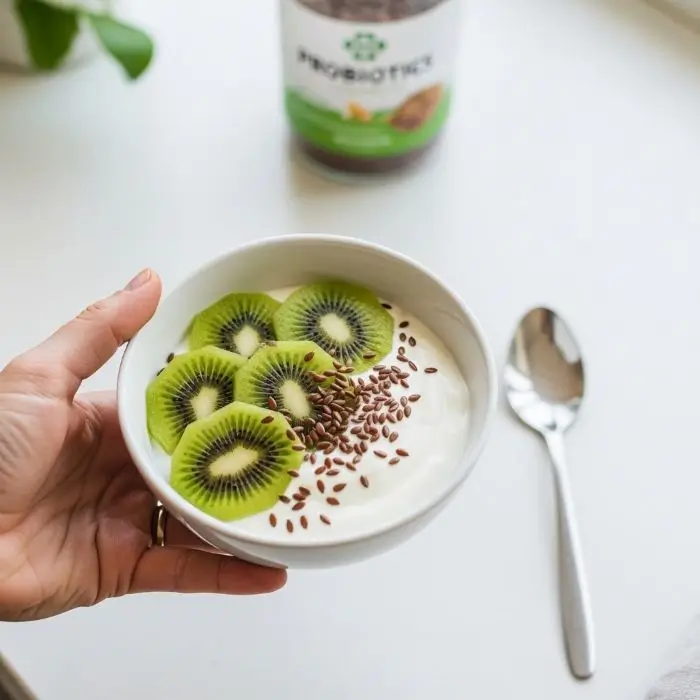
Nonfat Greek yogurt protein is not only good for muscles and weight control but also for your digestive system. It contains live active cultures such as Lactobacillus and Bifidobacterium that help balance gut bacteria and support healthy digestion.
A balanced gut improves nutrient absorption, boosts immunity, and even helps regulate mood. Learn more about how Greek yogurt supports digestion. When digestion runs smoothly, your body can make better use of protein, vitamins, and minerals, leaving you feeling lighter and more energetic.
Example:
If you often experience bloating or discomfort after meals, try adding half a cup of nonfat Greek yogurt to your breakfast. Many people notice better digestion and less acidity after a few weeks.
According to Johns Hopkins Medicine’s overview on probiotics, probiotic-rich foods such as yogurt help balance gut bacteria and may ease digestive issues like bloating or irregularity.
Bottom line: Nonfat Greek yogurt protein helps maintain digestive balance and overall wellness from within.
👉For more information, watch this video on gut health and probiotics.
4. Strengthens Bones with Calcium

Nonfat Greek yogurt protein does more than build muscles. It also helps keep your bones strong. Each serving provides a solid amount of calcium and protein, two nutrients that work together to maintain bone density and prevent weakness as you age.
Calcium supports bone structure, while protein helps form the collagen framework that holds those minerals in place. People who eat yogurt regularly often have higher bone mass and lower risk of osteoporosis compared to those who don’t.
Example:
Adding nonfat Greek yogurt to smoothies or pairing it with fresh fruit makes an easy way to strengthen your bones without taking supplements.
According to National Institutes of Health (NIH), calcium is essential for healthy bones and teeth, and low intake over time can increase the risk of fractures.
In short: nonfat Greek yogurt protein is an effortless daily source of bone-building nutrients that keep your body strong and active.
5. Boosts Metabolism and Energy Levels

Nonfat Greek yogurt protein gives your metabolism a natural lift. Since your body uses more energy to digest protein than carbs or fat, eating protein-rich foods like Greek yogurt slightly increases calorie burn throughout the day. This process, called the thermic effect of food, helps support a healthy metabolism even when you are at rest.
The combination of protein and probiotics also supports better nutrient absorption, which helps maintain steady energy levels. That means fewer afternoon slumps and better workout recovery.
Example:
Start your day with a bowl of nonfat Greek yogurt topped with berries and chia seeds. The protein keeps you full, while the natural sugars and fiber help sustain energy without a crash.
According to the Harvard T.H. Chan School of Public Health, protein boosts metabolism, supports muscle repair, and helps regulate hormones related to hunger and energy balance.
Bottom line: nonfat Greek yogurt protein helps your body burn calories more efficiently and keeps your energy stable from morning to night.
6. A Versatile Ingredient for Healthy Meals

Nonfat Greek yogurt protein isn’t just healthy, it’s adaptable. You can use it in both savory and sweet dishes without compromising taste or nutrition. It works as a substitute for high-fat ingredients like mayonnaise, cream, or sour cream, instantly lightening your meals while keeping them flavorful.
Its creamy texture makes it perfect for salad dressings, dips, smoothie bases, or even baking. See how flaxseed pairs with Greek yogurt for extra benefits. Replacing butter or cream with nonfat Greek yogurt adds protein, cuts calories, and keeps the dish balanced.
Example:
Use nonfat Greek yogurt to prepare a garlic herb dip, a protein smoothie, or a creamy pasta sauce that tastes indulgent but supports your fitness goals.
Benefit: Enhances nutrition while keeping calorie intake low.
Hint: Experiment with recipes, mix it into oatmeal, blend it into soups, or spread it over toast for a protein-rich snack.
Bottom line: Nonfat Greek yogurt protein turns ordinary meals into healthier versions without losing flavor or satisfaction.
7. Regulates Blood Sugar Levels

Nonfat Greek yogurt protein helps stabilize blood sugar levels by slowing digestion and promoting steady energy release. Its high protein content prevents sharp spikes and crashes, making it especially beneficial for people managing diabetes or insulin resistance.
Unlike sugary snacks that cause rapid blood sugar swings, nonfat Greek yogurt provides sustained energy and keeps you full longer. It also pairs well with low-glycemic foods like berries, nuts, and oats for a balanced, nutritious meal.
Example:
A bowl of nonfat Greek yogurt topped with chia seeds and sliced strawberries makes a smart breakfast that supports energy balance throughout the day.
Benefit: Helps prevent sugar spikes and supports stable energy levels.
Hint: Always choose plain, unsweetened nonfat Greek yogurt to avoid added sugars that can offset these benefits.
Bottom line: Including nonfat Greek yogurt protein in your diet can help you maintain consistent energy and balanced blood sugar levels throughout the day.
8. Convenient and Portable Nutrition

Nonfat Greek yogurt protein is one of the easiest ways to get quality nutrition on the go. It’s available in single-serving cups, which makes it perfect for busy mornings, office breaks, or post-workout snacks. You don’t need prep time, just grab it and you’re set with a protein-rich meal.
This portable option keeps you full longer than most quick snacks, helping you avoid processed or high-sugar alternatives. Plus, it’s easy to store in the fridge and stays fresh for days.
Example:
Keep a few single-serve containers of nonfat Greek yogurt in your work fridge for a simple, high-protein snack that keeps your energy steady through the afternoon.
Benefit: Offers quick, nourishing fuel anytime, anywhere.
Hint: Pair it with fruit, nuts, or granola for a satisfying mini meal that supports both health and convenience.
Bottom line: Nonfat Greek yogurt protein is the ultimate grab-and-go snack that fits into any lifestyle while keeping your nutrition goals on track.
9. Supports Immune Health

Nonfat Greek yogurt protein supports your immune system while also benefiting digestion. The probiotics in yogurt help maintain a healthy balance of gut bacteria, which is essential for proper immune function. A healthy gut improves the body’s ability to fight infections and reduces inflammation.
Example:
Including a cup of nonfat Greek yogurt in your breakfast or snacks a few times a week can help strengthen your body’s defenses and keep your energy steady.
Benefit: Improves immune response and supports overall wellness.
Hint: Pair nonfat Greek yogurt with fruits and nuts for a nutrient-packed snack that also supports immunity.
Bottom line: Nonfat Greek yogurt protein nourishes your body from the inside out, enhancing both gut and immune health.
10. Affordable and Accessible Nutrition

Nonfat Greek yogurt protein is a budget-friendly way to get high-quality protein and essential nutrients. Unlike some protein supplements or specialty foods, it’s widely available in most grocery stores and comes in a variety of brands and pack sizes.
Its affordability makes it accessible for anyone who wants to eat healthy without overspending. You can buy larger tubs for daily use or single-serve cups for convenience, making it easy to include in meals and snacks.
Example:
Pick up a bulk container of nonfat Greek yogurt and portion it out for breakfasts, smoothies, or snack bowls throughout the week. You’ll save money while keeping your nutrition on track.
Benefit: Provides affordable nutrition without compromising quality.
Hint: Look for store brands or bulk packs to maximize savings and convenience.
Bottom line: Nonfat Greek yogurt protein delivers essential nutrients in a cost-effective, accessible way, making it easy to maintain a healthy diet on any budget.
It is an easy way to stay healthy while managing your budget.
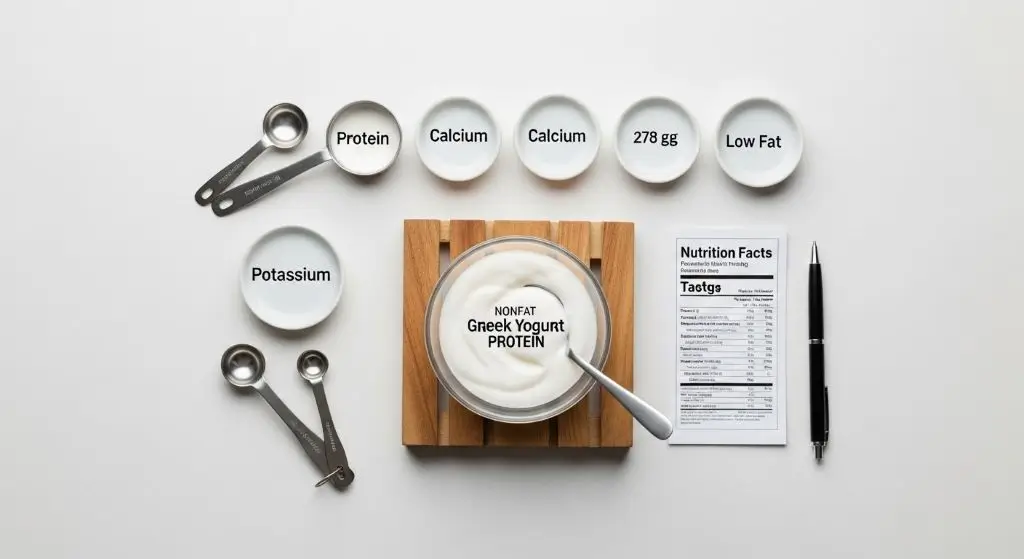
Nutritional Chart: Nonfat Greek Yogurt
Here’s a quick overview of the nutritional content of a standard serving (150g) of nonfat Greek yogurt:
| Nutrient | Amount |
| Calories | 100-120 |
| Protein | 10-20 grams |
| Fat | 0 grams |
| Calcium | 15-20% DV |
| Potassium | 200-300 mg |
| Sugar | 4-6 grams |
This chart shows how much protein and essential nutrients you get from a simple serving, making it easy to include in daily meals.
Delicious & Nutritious: High-Protein Recipes with Nonfat Greek Yogurt
1. Berry Protein Smoothie

A refreshing and protein-packed smoothie perfect for breakfast or post-workout.
Ingredients:
- 1 cup nonfat Greek yogurt
- ½ cup mixed berries (strawberries, blueberries, raspberries)
- ½ banana
- ½ cup unsweetened almond milk
- 1 scoop vanilla protein powder
- 1 tsp honey (optional)
- Ice cubes (as needed)
Instructions:
- Blend all ingredients until smooth.
- Pour into a glass and enjoy immediately.
Nutrition (Per Serving): Calories 230 | Protein 30g | Carbs 30g | Fat 2g | Fiber 5g
Download Berry Protein Smoothie Recipe2. Greek Yogurt Chicken Salad

A creamy and protein-rich alternative to traditional mayo-based chicken salad.
Ingredients:
- 1 cup cooked, shredded chicken breast
- ½ cup nonfat Greek yogurt
- ¼ cup diced celery
- ¼ cup diced apples
- 1 tbsp chopped almonds
- ½ tsp Dijon mustard
- Salt & pepper to taste
- 1 tsp lemon juice
Instructions:
- Mix all ingredients in a bowl until well combined.
- Serve on whole-grain toast, lettuce wraps, or as a dip.
Nutrition (Per Serving): Calories 200 | Protein 35g | Carbs 10g | Fat 3g | Fiber 2g
Download Greek Yogurt Chicken Salad Recipe3. Greek Yogurt Protein Pancakes

Fluffy, high-protein pancakes are perfect for a healthy breakfast.
Ingredients:
- ½ cup nonfat Greek yogurt
- ½ cup rolled oats
- 1 scoop vanilla protein powder
- 1 egg
- ½ tsp baking powder
- ¼ tsp cinnamon
- 1 tsp honey (optional)
Instructions:
- Blend all ingredients until smooth.
- Heat a nonstick pan and pour batter to form pancakes.
- Cook for 2-3 minutes per side until golden brown.
- Serve with fresh fruit or sugar-free syrup.
Nutrition (Per Serving, 3 pancakes): Calories 250 | Protein 32g | Carbs 30g | Fat 3g | Fiber 4g
Download Greek Yogurt Protein Pancakes RecipeConclusion
Nonfat Greek yogurt protein is a powerhouse food that combines high-quality protein, essential vitamins, minerals, and probiotics. Its benefits extend from muscle growth and weight management to gut health, bone strength, and immune support.
Whether you want to boost metabolism, regulate blood sugar, or simply enjoy a versatile and portable snack, nonfat Greek yogurt protein fits effortlessly into your daily routine. Affordable, nutrient-dense, and easy to prepare, it supports overall wellness without breaking the bank.
By incorporating nonfat Greek yogurt protein into your meals and snacks, you’re not only nourishing your body but also taking a practical, enjoyable step toward a healthier lifestyle.
Try It Today!
Ready to feel the benefits of nonfat Greek yogurt protein for yourself? Grab a cup for breakfast, blend it into a smoothie, or use it in your favorite recipes. Start small, enjoy the taste, and watch how this simple addition can boost your energy, health, and wellness.
Tip: Experiment with different toppings like fresh fruit, nuts, or seeds to make every serving exciting and nutritious.
Don’t wait, make nonfat Greek yogurt protein a part of your daily routine and take a step toward a healthier, stronger you!
FAQs about Nonfat Greek Yogurt Protein
1. What is nonfat Greek yogurt protein?
Nonfat Greek yogurt protein is a type of yogurt made from strained milk, offering a high concentration of protein while being low in fat. It’s rich in probiotics, calcium, and other essential nutrients that promote overall health
2. How does nonfat Greek yogurt help with weight loss?
Nonfat Greek yogurt protein is low in calories and high in protein, which helps keep you full longer, reducing cravings. This makes it an excellent choice for those looking to lose weight or manage their calorie intake.
3. Can nonfat Greek yogurt protein help build muscle?
Yes! Nonfat Greek yogurt protein is an excellent source of protein, essential for muscle growth and repair. It provides the amino acids needed to enhance recovery after workouts and support muscle development.
4. What are the probiotic benefits of nonfat Greek yogurt?
The probiotics in nonfat Greek yogurt support gut health by improving digestion, reducing bloating, and strengthening the immune system. A healthy gut microbiome also contributes to better nutrient absorption.
5. Is nonfat Greek yogurt suitable for people with lactose intolerance?
Yes, many people with lactose intolerance find that they can tolerate nonfat Greek yogurt better than regular yogurt due to the straining process, which reduces the lactose content. However, if you’re highly sensitive to lactose, check for lactose-free options.
6. How can I incorporate nonfat Greek yogurt into my diet?
Nonfat Greek yogurt protein can be enjoyed in a variety of ways: as a snack, in smoothies, as a topping for oatmeal, or as a base for dips and dressings. You can also add fruits, nuts, or honey for extra flavor.
7. How often should I consume nonfat Greek yogurt protein?
For the best results, consider incorporating nonfat Greek yogurt protein into your daily routine. It’s a great option for breakfast, snacks, or post-workout meals, providing you with essential protein and nutrients throughout the day.
8. Can nonfat Greek yogurt protein help improve digestion?
Yes, the probiotics in nonfat Greek yogurt support a healthy gut, improving digestion and helping to reduce symptoms like bloating and indigestion. Regular consumption can also aid in managing conditions like irritable bowel syndrome (IBS).