
Introduction
Understanding picky eaters can feel like solving a puzzle, especially for parents or caregivers who want to ensure a balanced diet. Picky eating involves selective food choices, often rejecting certain textures, colors, or flavors. Recognizing these habits early is essential to meet nutritional needs effectively.
A careful, patient approach works best. Keeping a food diary, introducing new foods gradually, and using tools like a picky eaters test can provide valuable insights. This structured method uncovers preferences, sensitivities, and behaviors, making it easier to address challenges and create enjoyable mealtime experiences.
In this guide, we’ll explore what defines a picky eater, walk you through a simple and practical picky eaters test, and share strategies to encourage healthy eating habits. By the end, you’ll have clear, actionable steps to help picky eaters enjoy a more balanced diet without stress.
What Are Picky Eaters?
Picky eaters are individuals who show strong preferences for certain foods while avoiding others. They may resist trying new dishes, stick to the same meals repeatedly, or reject foods based on texture, color, or taste. Understanding these patterns is the first step in helping picky eaters develop healthier eating habits.
Picky eating is common in children but can also appear in adults. By recognizing these behaviors early, you can use strategies like a picky eaters test and practical picky eater tips for parents to uncover specific likes, dislikes, and sensitivities. Once you understand their preferences, it becomes easier to plan meals that are both nutritious and appealing.
Table of Contents
Why Do People Become Picky Eaters?
Picky eating often develops from a mix of natural growth, inherited traits, and learned behaviors. Understanding the root causes helps you manage selective eating more effectively. Here are the main factors:
Developmental Factors
Young children are naturally cautious with new tastes and textures. To spot patterns:
- Gradual introduction of new foods helps reduce refusal
- Certain textures, smells, or strong flavors may trigger resistance
- Using a picky eaters test can reveal selective eating habits
Genetic Influences
Some sensitivities are inherited and affect food preferences. Consider:
- Identifying these sensitivities with a picky eaters test helps customize meals
- “Super tasters” detect flavors more intensely, making bitter or strong foods less appealing
Behavioral Patterns
Early mealtime habits shape long-term preferences. Watch for:
- Gradual exposure and positive reinforcement encourage trying new foods
- Consistently avoiding certain foods can make dislikes permanent
- Observing behavior and using a picky eaters test highlights patterns
Signs of a Picky Eater
Before conducting a picky eaters test, observe these common signs:
- Refusal to eat specific food groups (e.g., vegetables or proteins).
- Sensitivity to food textures, such as crunchy or mushy.
- Eating the same meals repeatedly.
- Avoiding foods with strong smells.
- Taking a long time to eat or showing disinterest in meals.

Picky Eaters Test: A Simple Approach
It should not be difficult to identify picky eaters. By following a structural approach, you can better understand their eating habits. How is here:
Keep a Food Diary
Monitor food and snacks for a week. Record what is eaten with joy and what is left. Note any frequent samples, such as avoiding vegetables or preferring specific textures. This helps identify areas of the problem.
Introduce New Foods Gradually
Offer small parts of new food along with familiar favorite. For example, a piece of broccoli connects with their preferred pasta or try introducing tofu for picky eaters with these creative ideas. Observe their reaction – whether it taste, reject, or enjoy the new food. Exhibitions can gradually reduce resistance.
Use a Rating Scale
Make an easy rating system, such as 1 to 5, to evaluate food preferences. Ask the eater to evaluate every dish (1 = strong dislike, 5 = love). It provides a clear picture of their likes and dislikes and helps with a meal plan.
Check for Sensory Sensitivities
Experience with different textures, flavors and temperatures. For example, offer crushed carrots, soft mashed potatoes, or spicy sauce. If some sensory properties are avoided permanently, this may indicate basic sensitivity.
Involve Them in Meal Prep
Encourage the picky eaters to be involved in food preparation activities, such as washing vegetables, mixing ingredients, or setting a table. Often, its involvement is more curious and readier to test new foods.
Behavioral Questionnaire
Create a simple questionnaire to understand their eating behavior. Sample questions include:
- Do you avoid foods of certain colors?
- Do you dislike when foods are mixed on the plate?
- How often do you refuse to try new dishes?
Analyzing their responses will give you deeper insight into their eating habits.
By applying this test, you can identify patterns, address specific challenges, and create a path toward more balanced eating habits.

How to Address Picky Eating Habits
Helping picky eaters develop healthy eating habits takes patience, creativity, and consistency. Small, thoughtful strategies can make mealtime enjoyable while gradually expanding their food choices. Here are effective approaches:
1. Make Mealtime Fun
Turning meals into a playful experience encourages exploration:
- Incorporate insights from a picky eaters test to tailor dishes to their preferences
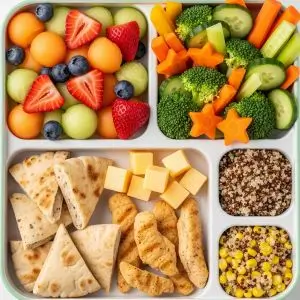
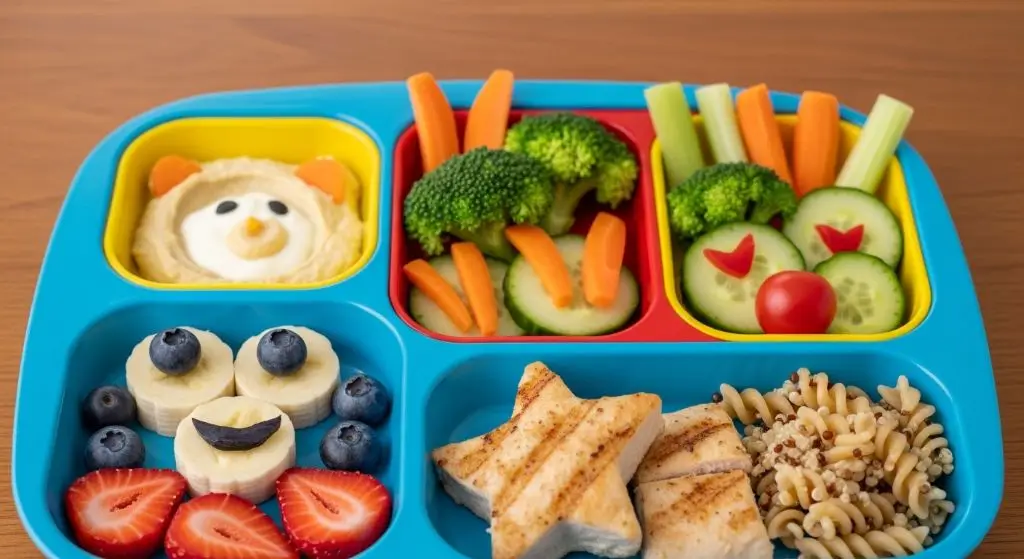
- Use colorful plates, bowls, and utensils to attract attention
- Cut fruits, vegetables, or sandwiches into fun shapes like stars, hearts, or animals
- Try themed meals, such as a “rainbow day” with multi-colored fruits and vegetables

2. Avoid Pressure
A relaxed environment fosters openness:
- Understanding their preferences through a picky eaters test helps avoid unnecessary stress
- Encourage tasting new foods without demanding it
- Use gentle prompts like, “Why not try a small bite?” rather than ultimatums

3. Provide Balanced Choices
Offer variety without overwhelming them:
- Balance familiarity with novelty to make trying new foods comfortable
- Include fruits, vegetables, proteins, and grains in each meal
- Pair new foods with familiar favorites, like chicken with lightly seasoned carrots
- Keep portions manageable and introduce one or two new foods at a time
4. Use Positive Reinforcement
Celebrate small wins to motivate:
- Positive feedback builds confidence and encourages future exploration
- Praise efforts, e.g., “Great job trying broccoli!”
- Focus on verbal encouragement rather than food rewards

5. Consider Nutritional Supplements
Fill gaps when picky eating limits nutrient intake with options from our list of top ten best supplements for picky eaters:
- Use children’s or adult multivitamins as needed, after consulting a healthcare professional
- Supplements should complement, not replace, a balanced diet
- A picky eaters test can help identify specific nutritional needs

By combining these strategies, parents and caregivers can gradually help picky eaters expand their palate, enjoy a variety of foods, and maintain balanced nutrition without stress.
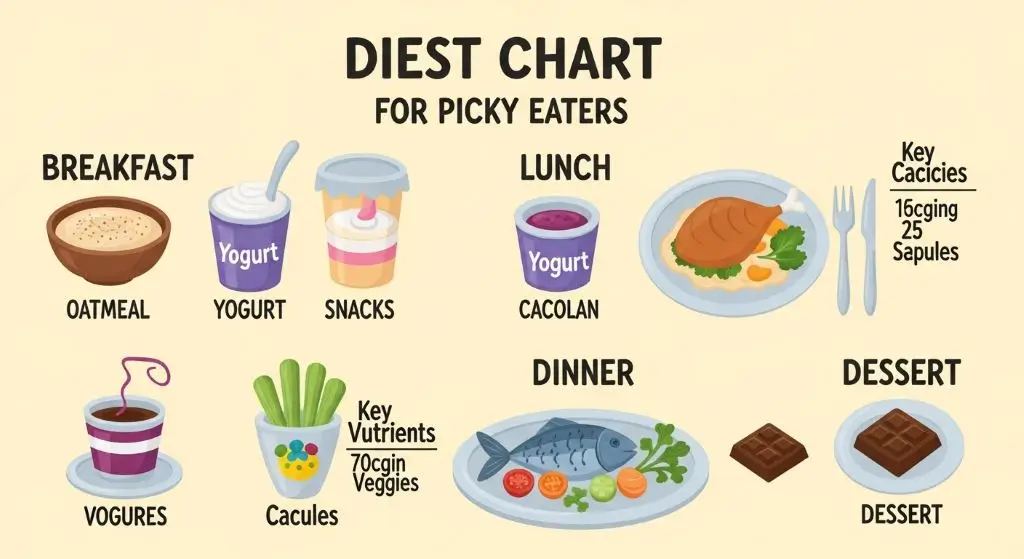
Calorie and Diet Chart for Picky Eaters
To ensure picky eaters get the nutrients they need, a structured meal plan with healthy low-calorie meals can help. This sample chart provides balanced options while keeping meals appealing and manageable.
| Meal | Food Items | Calories | Key Nutrients |
| Breakfast | Oatmeal with fruit | 200 | Fiber, Vitamins |
| Snack | Yogurt with honey | 150 | Calcium, Protein |
| Lunch | Grilled chicken and rice | 400 | Protein, Carbs |
| Snack | Veggie sticks with hummus | 100 | Fiber, Healthy Fats |
| Dinner | Baked fish with steamed veggies | 350 | Omega-3, Minerals |
| Dessert (Optional) | Dark chocolate square | 50 | Antioxidants |
Tip: This chart provides a balanced mix of proteins, carbs, fats, and micronutrients while accommodating picky preferences. Adjust portions based on age, activity level, and dietary requirements. This plan helps picky eaters enjoy a variety of foods while meeting their nutritional needs.
Helpful Tools and Resources for Managing Picky Eaters
Managing picky eating becomes easier when you use the right tools. These help you track habits, plan meals, and discover healthy recipes that actually work for selective eaters. Here’s what to try:
1. Food Tracking Apps
Apps like MyFitnessPal and Yazio let you log meals, track nutrition, and notice patterns in your child’s eating behavior. You can easily identify missing nutrients or recurring dislikes.
2. Recipe and Meal Planning Sites
Websites such as EatingWell and AllRecipes have sections dedicated to kid-friendly and healthy recipes. Search for “picky eater recipes” to get balanced meal ideas that align with your calorie goals.
3. Sensory-Friendly Utensils and Plates
Some children respond better when eating from colorful, sectioned plates or using textured utensils. Sites like Special Needs Essentials and Ark Therapeutic offer great options designed for sensory-sensitive eaters.
4. Nutritionist Consultation Tools
If picky eating begins to affect your child’s growth, mood, or overall nutrition, it’s time to seek professional guidance. A pediatric nutritionist can help identify underlying issues and design a balanced meal plan suited to your child’s needs. You can explore qualified experts through Healthline’s Nutrition Directory or check with your local healthcare provider’s portal for verified specialists.
5. Printable Picky Eater Trackers
Use customizable printables from Canva or Pinterest to make weekly meal charts, reward trackers, or progress sheets. These visual aids help motivate both parent and child.
6. YouTube Videos
Watching videos can help picky eaters see how others enjoy new foods. Click here for a helpful video.
Creating a Balanced Meal Plan for Picky Eaters
Once you’ve identified fussy eating habits, the next step is building a balanced meal plan that meets nutritional needs without overwhelming their taste buds. The goal is to mix familiar comfort foods with new, nutritious options in a way that feels approachable.
Tips for Building a Balanced Plan
- Start with small portions: Introducing one new item at a time prevents overwhelm.
- Blend nutrition with familiarity: Add finely chopped vegetables to pasta or sandwiches.
- Include a variety of textures: Crunchy, soft, and creamy elements help maintain interest.
- Balance each plate: Combine carbs, protein, and healthy fats to keep meals satisfying.
- Make it colorful: A visually appealing plate encourages curiosity and appetite.
Sample One-Day Diet Chart
| Meal | Example Menu | Nutritional Focus |
|---|---|---|
| Breakfast | Banana oat pancakes + milk | Energy + calcium |
| Mid-Morning Snack | Apple slices + peanut butter | Fiber + protein |
| Lunch | Chicken or tofu rice bowl with vegetables | Balanced protein + vitamins |
| Evening Snack | Yogurt with berries | Probiotics + antioxidants |
| Dinner | Whole-wheat pasta with mild tomato sauce + salad | Iron + complex carbs |
You can also explore healthy meal ideas for picky eaters to expand your menu with creative, nutrient-rich dishes.
Tracking Progress and Adjusting Habits
Helping picky eaters isn’t a one-time effort, it’s a gradual process. Tracking their progress helps you understand what’s working, what’s not, and where small changes can make a big difference.
How to Monitor Improvement
- Keep a Weekly Log: Note which foods are accepted, rejected, or tried for the first time. Patterns show whether your strategies are helping.
- Celebrate Small Wins: Even tasting a new food counts as progress. Praise and encouragement build positive associations with eating.
- Adjust Based on Response: If a food keeps getting refused, try a different texture or seasoning before removing it completely.
- Stay Consistent: Repeated exposure, in small portions, helps reduce food fears over time.
- Seek Guidance When Needed: If progress stalls, consult a nutritionist or child psychologist for deeper insights.
According to Harvard Health, involving children in choosing and preparing their meals improves long-term acceptance of healthy foods and reduces resistance.

When to Seek Professional Help
Sometimes, picky eating goes beyond simple preferences. If your child (or even an adult) consistently avoids entire food groups or shows stress around meals, it might be time to seek expert guidance.
Signs You Should Consult a Specialist
- Noticeable weight loss or slow growth
- Constant fatigue, mood swings, or low concentration
- Refusal of major food categories like proteins, fruits, or vegetables
- Anxiety or distress during mealtimes
- Dependence on the same few foods for long periods
A pediatric nutritionist or feeding therapist can identify underlying causes such as sensory sensitivities or nutritional gaps. They use structured behavioral techniques to make eating less stressful and more positive.
For credible expert directories and guidance, visit:
- Healthline Nutrition Directory — find qualified dietitians near you.
- Academy of Nutrition and Dietetics — professional database for certified nutrition experts.

Final Tips and Takeaway
Helping picky eaters doesn’t have to feel like a daily struggle. The key is patience, structure, and creativity. Instead of forcing change, focus on gradual progress and small victories.
Practical Tips to Remember:
- Keep meals positive, avoid pressure or bribing.
- Introduce one new food at a time alongside familiar favorites.
- Let them participate in grocery shopping or meal prep to build curiosity.
- Use a picky eaters test every few months to track progress and identify patterns.
- Offer variety in color, texture, and presentation to make meals fun and appealing.
Healthy eating isn’t built in a day, explore our full guide on healthy eating for kids to make progress feel natural and rewarding. Remember, the goal isn’t perfection, it’s progress.