Why This Guide Feels Different
If you’ve ever scraped another untouched dinner into the bin, you already know that feeding a selective child or adult hits the emotions long before it hits the nutrient chart. This guide keeps the science, skips the guilt, and walks you through healthy foods for picky eaters in a way that respects tiny taste buds and tired parents.
Inside, you’ll find texture tricks, mini diet charts, quick appetite-boosting exercises, and clear answers to when to worry about picky eating without a single command to “just eat it.”
Table of Contents
When to Worry About Picky Eating: Red Flags vs Normal Phases
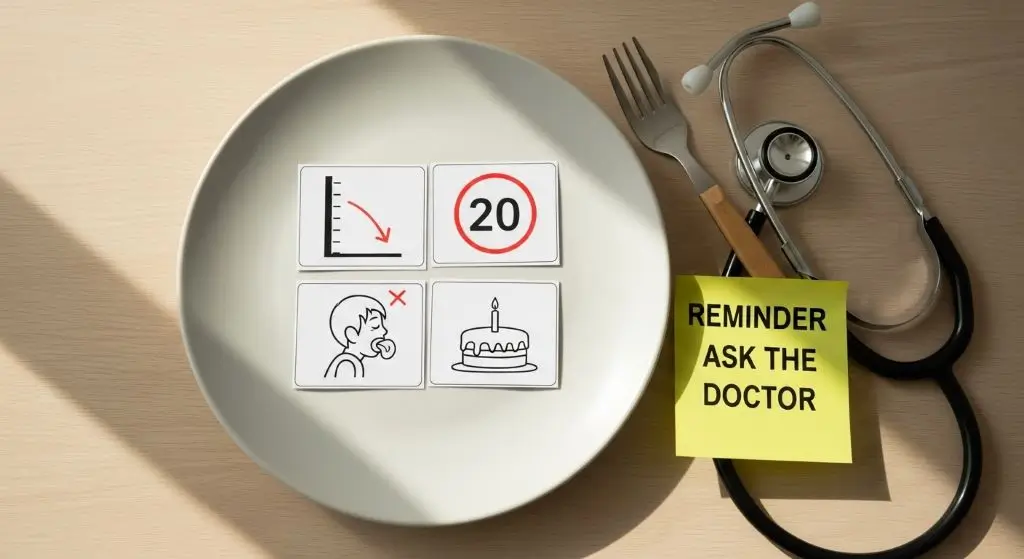
Most kids hit a neophobic window around age two when anything new looks suspicious. That phase is normal. You only need to worry when any of the signs below continue for more than a month:
- Weight loss or a drop on the growth chart
- Fewer than twenty accepted foods
- Gagging, coughing, or vomiting at the sight of new food
- Avoiding social events because they fear unfamiliar menus
If any of these show up, talk to your pediatrician or a feeding therapist. The CDC offers practical, evidence‑based guidance on how many times children may need to try a food before accepting it. Early help protects kids from nutrient gaps and saves families from burnout.

Missed Milestones That Can Hide Behind Picky Eating
Sometimes the food is not the real issue. The muscles or senses needed to handle the food are. Paying attention to these milestones can help you introduce healthy foods for picky eaters more effectively.
Watch for:
- Open-mouth posture, drooling after age two, or constant cheek packing. This can signal low oral-muscle tone.
- Recurring ear infections. Fluid can interfere with taste and texture signals.
- Constipation that lasts more than two weeks. Pain during bowel movements often leads to food refusal.
- Extreme sensitivity to clothing tags, sand, or loud noises. This can point to sensory processing differences that also affect mealtimes.
A single forty-five-minute evaluation by a speech-language pathologist or occupational therapist can identify these issues and give you simple exercises you can do at home with a straw, a mirror, or a small vibrating toothbrush to support introducing healthy foods for picky eaters safely.
Nutrient Gaps That Sneak Up Fast
Kids often look fine until the lab work tells another story, as shown by the MyPlate’s guidance on dairy and calcium intake. Ask your doctor for a screening if the diet stays limited for months:
- Iron: Fatigue, pale skin, restless sleep
- Zinc: Low taste sensitivity, slow wound healing
- Vitamin D: Leg pain, low mood, frequent illness
- Omega-3: Dry skin, brittle hair, weaker focus
A quick blood test or finger-prick can catch the slide before it becomes anemia or bone issues. Correcting deficiencies usually improves appetite within weeks and makes food exposure work smoother. Pair with healthy low-calorie meals to support balanced nutrition.
Family Stress Signals That Deserve Support
Picky eating is not a sign of poor parenting, but it can drain a household. Introducing healthy foods for picky eaters while managing stress can be challenging.
Reach out for help if you notice:
- One parent eating in the kitchen so the child will not see adult food
- Siblings asking for separate meals because one child gets special food
- Meals stretching past forty-five minutes with no progress
- Arguments between caregivers about tough love vs gentle exposure
A feeding therapist, dietitian, or even a local parent support group can help you rebuild a calm routine and guide you in offering healthy foods for picky eaters in a way that reduces stress. Many insurance plans now cover feeding therapy once growth patterns or micronutrient levels are affected, so ask for a referral before things escalate.
Practical First Steps While You Wait for the Appointment
- Take three photos of every plate for one week. Visual records are more accurate than stressed-out memory.
- Keep a tally of accepted foods on the fridge. If the count is under twenty, you have clear data for your doctor and for budget‑friendly, visual portion guides visit Kids Eat in Color.
- Time each meal from start to finish. Anything longer than thirty minutes often signals discomfort.
- Note trigger foods that cause instant gagging. These usually need structured texture grading, not standard keep trying exposure.
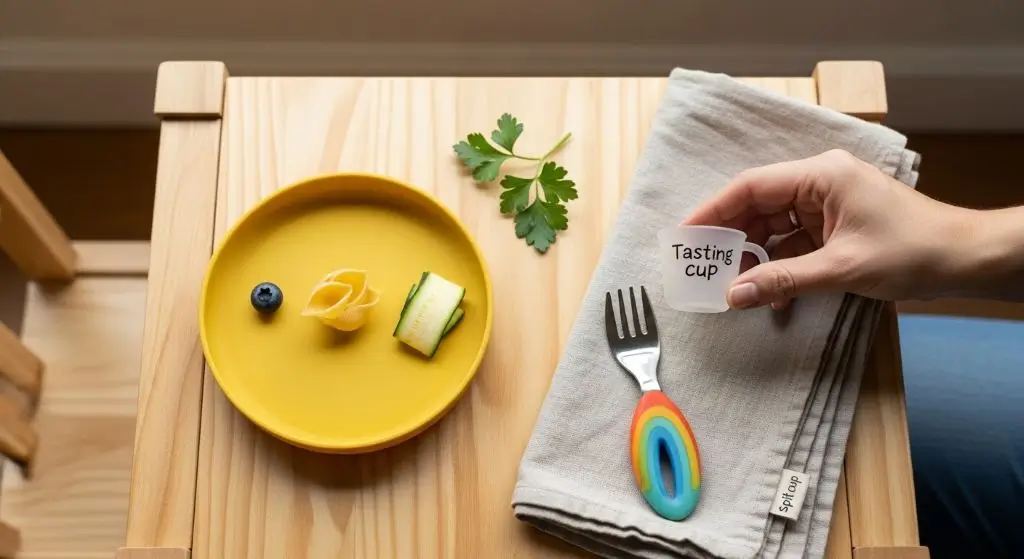
- Place a tiny cup on the table for polite spitting. Removing swallow pressure lowers fight-or-flight chemistry and often speeds acceptance.
Calm, early action keeps picky eating from becoming a long-term struggle.
The Psychology of Picky Eaters: Why Pressure Backfires
The psychology of picky eaters comes from basic survival wiring. When a toddler says yuck to kale, they are not trying to be difficult. Their brain is acting cautious about unfamiliar plants that might be unsafe.
Pressure interferes with this system. Understanding the psychology of picky eaters shows why it raises cortisol, shuts down appetite, and strengthens the fear loop.
Research from Aston University found that children who were allowed to taste and spit out new foods without comments accepted those foods after about six exposures. Children who were told you must swallow needed more than double the attempts.
Bottom line: calm meals grow the menu faster than bribes, warnings, or lectures.
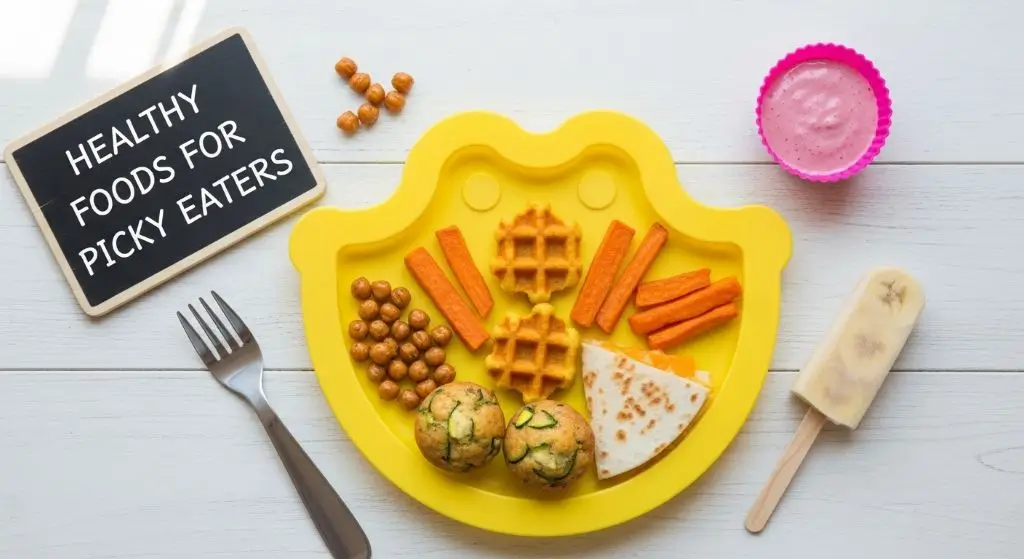
Healthy Foods for Picky Eaters: Top Ten Starter Options
These foods score high on nutrition while feeling safe to many selective eaters. For more ideas, check out our top tofu options for picky eaters. Each idea can be adjusted for age, budget, and chewing skill. Every bullet includes why it works plus a practical make-ahead tip.
1. Applesauce Pancakes
Stir ½ cup unsweetened applesauce into your usual batter. The fruit disappears, moisture rises, and fiber lands without chunks. You can learn more about fiber and energy in oats vs oatmeal nutrition benefits.
- Nutrition win: Adds ~2 g soluble fiber per serving and naturally replaces some sugar. Soluble fiber keeps toddler bowels regular without gritty fruit pieces.
- Picky-eater trick: Start with ¼ cup applesauce if even the faint beige tint is questioned; gradually increase as the brain registers the taste as safe.
Batch bonus: Freeze extra cakes between parchment sheets, then toast straight from frozen, no morning mess.

2. Cottage-Cheese Whip
Blitz cottage cheese for ten seconds; curds vanish into a smooth pudding. Add cinnamon or cocoa to soften the dairy flavor.
- Nutrition win: 13 g complete protein and 100 mg calcium per ½ cup serving, comparable to Greek yogurt at half the price.
- Texture note: Whipping removes visible lumps that often scare kids and doubles protein per spoonful.
- Serve it: Start as a dip for apple wedges; once accepted, offer solo in a familiar yogurt cup.

3. Sweet-Potato Fries
Cut thin, brush with oil, and bake at 425 °F until crisp. Beta-carotene soars; ketchup stays the same.
- Nutrition win: One small sweet potato delivers 150% of a 4-year-old’s daily vitamin A needs. Baking keeps added fat under 2 g per serving.
- Color logic: Orange mimics cheese or carrot, lowering suspicion.
- Make-ahead: Par-bake, cool, freeze in single layers, then finish in the air fryer for four minutes at weeknight speed.

4. Mini Turkey Meatballs
Bake on a sheet pan, freeze in zip bags, and reheat a few at a time. Spheres feel safer than slabs.
- Nutrition win: Dark-meat turkey offers 2 mg iron and 5 mg zinc per 3-oz serving, supporting taste-bud renewal and widening accepted foods over time.
- Dip strategy: Offer two sauces, ketchup (safe) and mild yogurt-dill (new). Side-by-side choice builds autonomy without pressure.

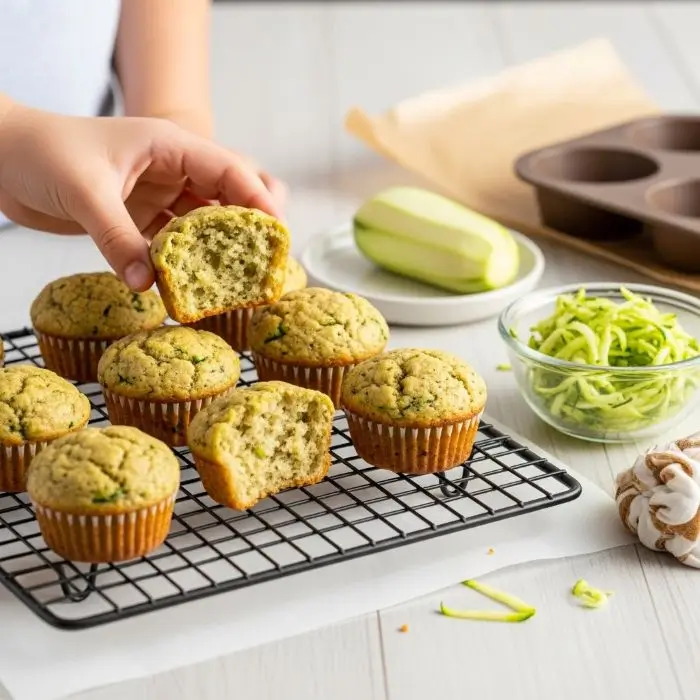
5. Zucchini Bread Muffins
One cup shredded zucchini vanishes into twelve muffins. Swap half the oil for yogurt to reduce saturated fat.
- Nutrition win: Each muffin contains ½ cup veggies, 1 g extra fiber, and only 1.5 g saturated fat, around 40% less than bakery versions.
- Visibility hack: Peel zucchini if green specks alarm the child; reintroduce the peel after three successful batches.
- Lunch-box tip: Mini muffins warm faster and release less steam, no soggy lunch bag.
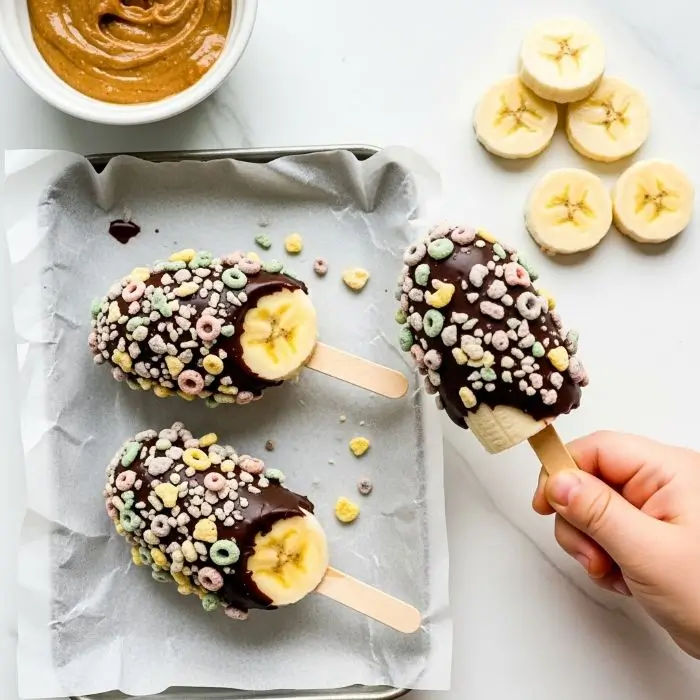
6. Frozen Banana Pops
Half a banana on a stick, dipped in thin dark chocolate, rolled in crushed cereal. Potassium plus pride.
- Nutrition win: One pop supplies 400 mg potassium and only 4 g added sugar if using 70% dark chocolate.
- Allergy swap: Use sunflower-seed butter instead of almond.
- Sensory bridge: Start with plain frozen banana coins if the chocolate crunch feels unpredictable.
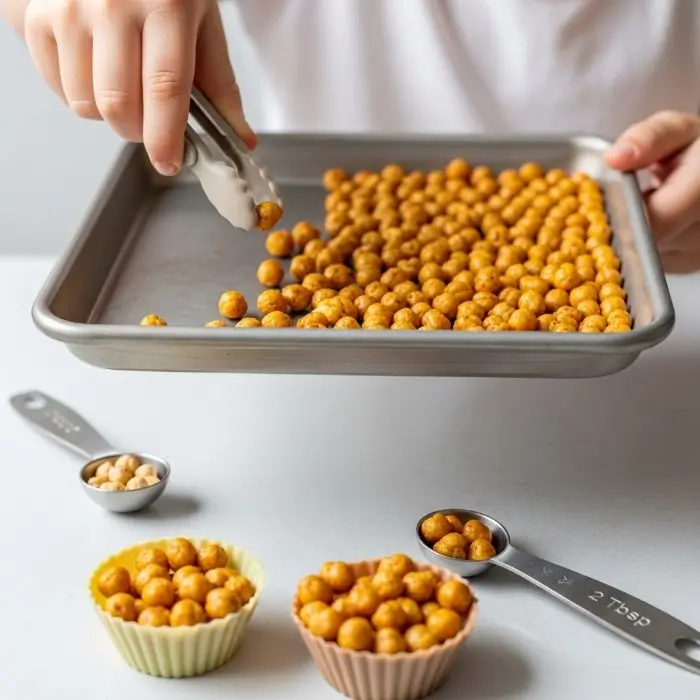
7. Roasted Chickpeas
Drain, rinse, season lightly, and bake until crunchy. Folate and iron without the “bean” look.
- Nutrition win: ¼ cup delivers 3 g fiber, 6 g plant protein, and 1.5 mg iron-about 15% of a 4-year-old’s daily need.
- Texture gradation: Pull half the tray early for a softer center; offer both versions to expand tolerance.
- Portion control: Two-tablespoon snack cups prevent overwhelming volume.
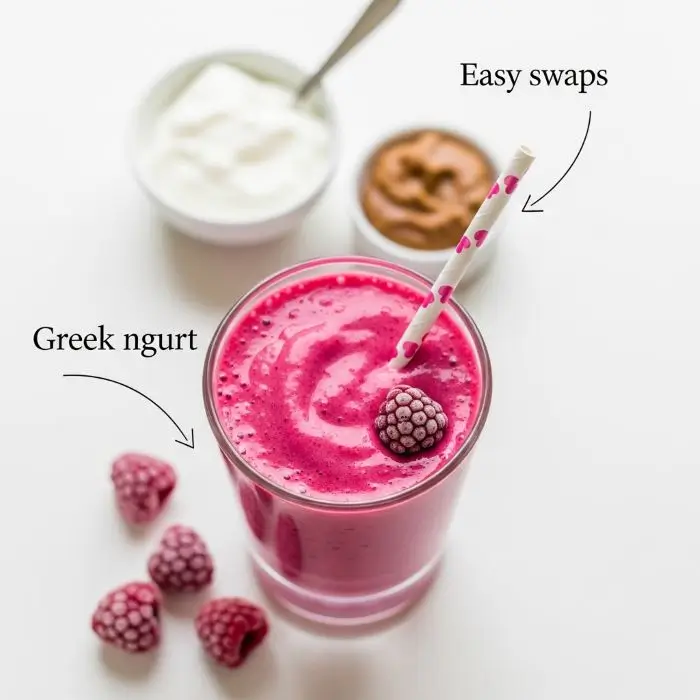
8. Pink Smoothie
Milk + frozen berries + a spoon of almond butter. Color sells the drink; no added sugar needed.
- Nutrition win: 8 g protein, 5 g fiber, and 150% daily vitamin C in an 8-oz cup. Vitamin C boosts iron absorption from other foods.
- Color cue: Pink or purple is accepted faster than green; sneak in spinach or cauliflower gradually.
- Protein boost: Swap almond butter for Greek yogurt if nut allergies are a concern.
9. Cheese Quesadilla Triangles
Whole-grain tortilla + shredded cheese, dry-grill, cut into small wedges. Familiar shape, extra fiber.
- Nutrition win: Adds 4 g fiber and 3 mg iron per tortilla. Calcium-fat combo supports bone growth without extra milk.
- Shape psychology: Triangles feel playful; smaller pieces mean quicker wins.
- Next step: Add a paper-thin apple slice inside one wedge after two weeks of success.

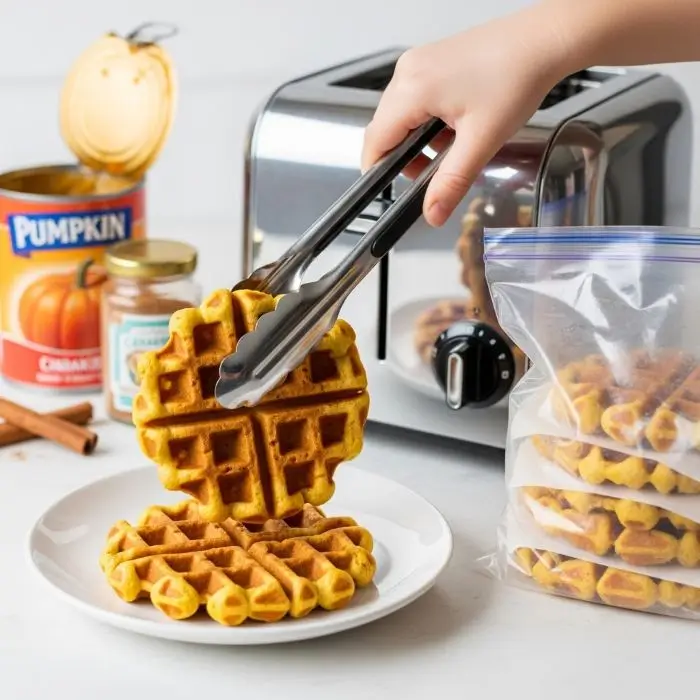
10. Pumpkin Waffles
Canned pumpkin stirred into batter adds vitamin A and a golden hue, not a veggie taste. Toast from frozen for rushed mornings.
- Nutrition win: ¼ cup pumpkin adds 100% daily vitamin A and only 20 calories. Beta-carotene doubles as an antioxidant.
- Flavor bridge: Cinnamon and nutmeg mask earthiness; start with ¼ cup pumpkin per cup of batter, then increase gradually.
- Freezer hack: Freeze flat on a tray, then stack with parchment in a bag; they separate easily when needed.
Rotate only two new foods per week alongside 3–4 safe staples. This keeps the brain calm, the grocery bill reasonable, and the plate moving forward without meltdowns. Try a healthy Banoffee Pie or Banapple dessert as a fun treat.
Download Your Free Guide
Start Calmer Meals Today!
Take action now and add one new healthy food to your picky eater’s plate. Download your Recipe Card Combo Pack.zip and make meal planning easier and more fun.
Download Combo Pack ZIPTexture Rules: The Hidden Gatekeeper
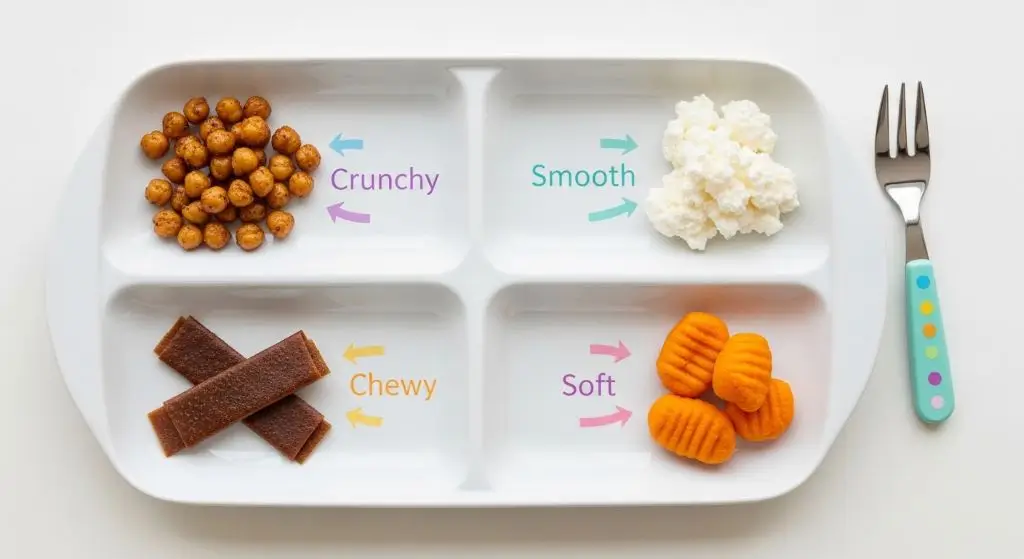
Understanding texture preference is the fastest way to turn Healthy Foods for Picky Eaters into actual bites.
| Texture Type | Liked Foods | Sneaky Swaps |
| Crunchy | Crackers, fries, bacon | Roasted chickpeas, almond-crusted chicken tenders |
| Smooth | Yogurt, pudding, hummus | Whipped cottage cheese, avocado mousse |
| Chewy | Raisins, jerky, cheese | Dried apricots, turkey sticks, low-sugar fruit leather |
| Soft | Bread, muffins, pasta | Sweet-potato gnocchi, veggie-loaded mac & cheese |
Introduce new foods in a texture your child already enjoys. For detailed video guidance on puree thickness and crunch progression check out Your Kid’s Table. Once the food is accepted, gradually adjust the texture. For example, bake chickpeas a little less or leave a few curds in the whipped cottage cheese. This gradual change helps expand tolerance without stress.
Seven-Day Mini Diet Chart for Busy Families
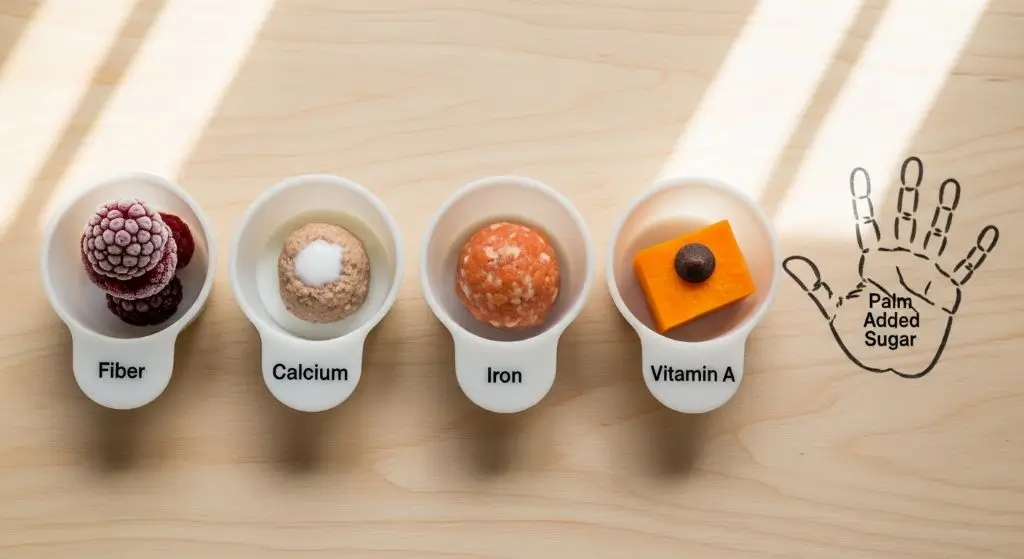
Portions follow the child’s palm rule: one palm for protein, one for starch, two for produce. Adults can double. Water is offered at every meal, and milk is limited to 16 oz daily to avoid filling tiny bellies before food arrives.
| Day | Breakfast | Lunch | Snack | Dinner |
| Mon | Pumpkin waffles + Greek yogurt | Turkey pinwheels, apple slices | Frozen banana pop | Cheesy sweet-potato gnocchi, cucumber coins |
| Tue | Applesauce pancakes, milk | Quesadilla triangles, salsa for dipping | Roasted chickpeas | Mini meatballs, rice, roasted carrots |
| Wed | Smoothie (banana, berry, milk) | Zucchini muffin, hard-boiled egg | Cheese cubes, crackers | Chicken stick, pasta, hidden veggie marinara |
| Thu | Cottage cheese whip, toast fingers | Ham flatbread, orange wedges | Apple chips | Baked salmon, fries, broccoli trees |
| Fri | Pink smoothie | Meatball pita pocket | Yogurt tube | Homemade pizza on whole-grain base |
| Sat | French toast sticks | Veggie burger slider | Pear, trail mix | Taco bar with mild seasoning |
| Sun | Banana muffin | Egg salad rice cakes | Frozen mango chunks | Chicken nuggets, green beans, roasted potatoes |
Tip: Rotate only two new foods per week alongside 3–4 trusted staples. This keeps meals predictable, the brain calm, and the plate moving forward without mealtime stress.

Nutrition Snapshot: How These Meals Stack Up
Before you roll your eyes at “another numbers chart,” know this: these quick totals come from real life portions, not lab sized scoops. The snapshot below shows how everyday ingredients like bananas, tortillas, and frozen berries add up to fiber, iron, calcium, and vitamin A targets without fancy powders or pricey brands. It’s a simple way to understand how healthy foods for picky eaters actually work in a normal kitchen.
If the math feels comforting, great. If it feels overwhelming, just notice that gentle rotation already gets most kids ninety percent of the way there. When you understand the psychology of picky eaters, you see why small, steady exposure beats complicated meal plans every time.
| Key Nutrient | Daily Target (4-8 yr) | Average Provided |
| Fiber | 25 g | 22-28 g |
| Calcium | 1000 mg | 950-1100 mg |
| Iron | 10 mg | 9-12 mg |
| Vitamin A | 400 mcg RAE | 450-600 mcg RAE |
| Added Sugar | < 25 g | 12-18 g |
Values will vary by brand and portion, but the menu above keeps added sugar low while covering the big rocks for growth and immunity.
Five-Minute Exercises That Boost Appetite Naturally
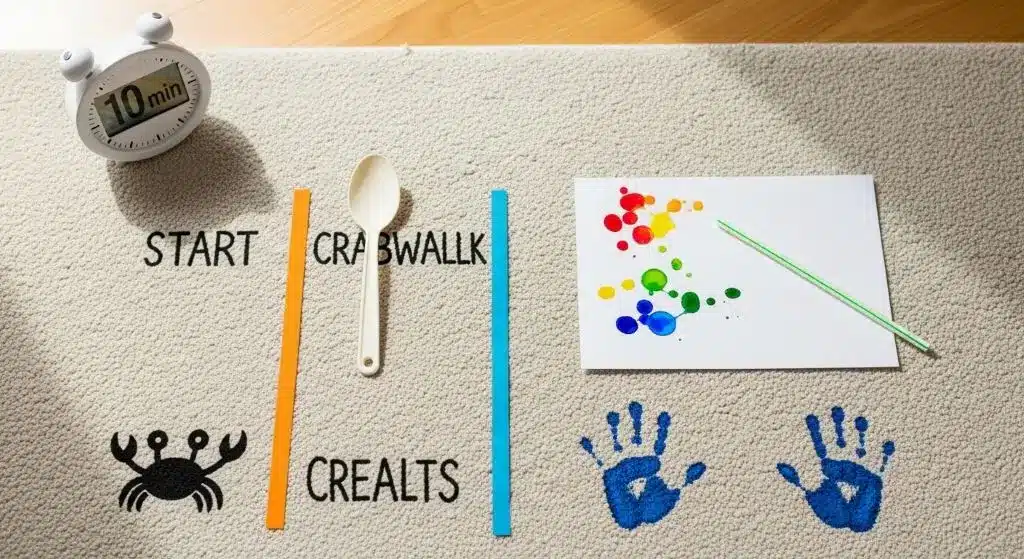
No gym membership is required. These moves help lower cortisol and stimulate the digestive system to encourage eating.
- Wheelbarrow Shuffle: Parent holds the child’s ankles while the child walks on hands for 30 seconds. Deep shoulder pressure calms sensory overload that often accompanies picky eating.
- Animal Walk Relay: Crab walk from the sofa to the table carrying a spoon. The inverted head position activates the vestibular system and hunger cues.
- Blow-Paint Art: Drop food coloring onto paper and blow through a straw. Long exhales stimulate the vagus nerve, helping prepare the gut for food.
- Short Play Before Dinner:Ten minutes of light play before meals can increase average calorie intake by 15 percent in selective children, according to a 2024 pediatric occupational therapy survey.
Shopping List: Stock the Pantry for Peace
Keep a “yes” shelf at child eye level with items that are easy, nutritious, and familiar:
- Whole-grain crackers
- Unsweetened applesauce cups
- Freeze-dried fruit bags
- Canned pumpkin
- No-salt chickpeas
- Shredded cheese
- Mini turkey meatballs (frozen)
Rotate one new item every Friday. Predictability builds trust and introduces small changes without overwhelming the child.
Key Takeaways on Healthy Foods for Picky Eaters
- Start with texture, not vegetables. A crunchy roasted chickpea teaches the brain that new foods can be safe.
- Offer micro portions on large plates. Three blueberries feel less intimidating than thirty. See our healthy food ideas to lose weight for inspiration on balanced portions.
- Keep the rotation slow. Introduce two new foods per week alongside trusted staples.
- Play first, eat second. Short bursts of movement help digestion and improve mood at the table.
- Track poop, sleep, and growth. If all three are on track, relax the timeline and trust the process.
Healthy Foods for Picky Eaters is not a race to a perfect plate. It is about gently expanding what feels safe, one bite at a time. Stock the pantry, breathe through the mess, and trust that consistent, small exposures change the brain faster than any power struggle.
Conclusion
Helping picky eaters explore new foods does not have to be stressful. By focusing on texture, offering small portions, rotating favorites with new options, and keeping mealtimes calm, you can turn resistance into curiosity and frustration into fun. These healthy foods for picky eaters strategies give parents practical tools to make mealtimes smoother.
Every small bite is a step toward a more balanced diet and happier mealtimes for the whole family. Follow these picky eater tips for parents: start with just one new food this week, track progress, and celebrate every tiny victory.
Your next meal can be calmer, your grocery trips easier, and your child’s plate a little more adventurous with the right mix of familiar favorites and new healthy foods for picky eaters.
Your next meal can be calm, enjoyable, and nutritious. Take action now and add one new healthy food to your picky eater’s plate this week.
Grab Your Free Guide!
Keep this mini diet chart and top ten starter foods handy. Download your free PDF for quick reference anytime.
Download PDFFAQ’s About Healthy Foods for Picky Eaters
Q1. How many times do I have to offer a new food before my child will eat it?
Most kids need six to fifteen exposures, but the key is zero pressure. Let them look, touch, lick, or spit without comment and the timeline shortens.
Q2. Will my picky eater really starve themselves?
True self-starvation is extremely rare. Growth dips and nutrient gaps can happen, so track weight, sleep, and energy. If those slip, call your pediatrician.
Q3. Are smoothies just sugary drinks in disguise?
A homemade blend of milk, frozen fruit, and nut or seed butter delivers fiber, protein, and calcium. Keep portions child sized (6 to 8 oz) and skip added honey or juice.
Q4. What if my child only wants crunchy foods?
Use the texture bridge. Offer roasted chickpeas, almond crusted chicken strips, or freeze dried peas first. Once the crunch is trusted, gradually bake items two minutes less to soften the center.
Q5. Is hiding veggies okay?
Yes, as long as you also serve a visible veggie on the side. Hidden veggies fill nutrient gaps, but open exposure teaches lasting acceptance.
Q6. How do I handle family meals when everyone likes different foods?
Build a “safe base” that all kids will eat (rice, pasta, cheese quesadilla), then place toppings or sauces family style. Adults can add spice; kids can stay plain.
Q7. When should I see a feeding therapist?
Seek help if accepted foods drop below twenty, meals last longer than forty five minutes, or there is gagging, vomiting, weight loss, or social withdrawal around food.
Q8. Can exercise really improve appetite?
Yes. Ten minutes of animal walks or wheelbarrow shuffles lowers cortisol and activates the rest and digest system. Many families see a fifteen percent increase in intake on nights with pre-dinner play.
Q9. Are multivitamins necessary?
If your child eats fewer than fifteen foods, a basic children’s multivitamin can cover iron, zinc, and vitamin D while you work on expansion. Check with your doctor first.
Q10. What is the quickest breakfast for a picky morning?
Toast a frozen pumpkin waffle, spread with cottage cheese whip, add a side of berries. The entire plate takes three minutes and hits fiber, protein, and calcium before school.