Understanding Why Belly Fat Is Stubborn
Belly fat is one of the most challenging areas to lose weight from, often feeling impossible to eliminate. Unlike fat in other areas, abdominal fat is more resistant to typical weight loss methods due to hormonal imbalances, genetics, and metabolism. Many struggle to burn belly fat even with a strict diet and exercise routine.
So, why is belly fat so hard to burn? The body stores it as an energy reserve, and visceral fat surrounding organs is influenced by stress hormones like cortisol, making it difficult to break down. Aging slows metabolism, further contributing to fat accumulation.
Burning belly fat isn’t just about cutting calories or doing excessive cardio, it requires a holistic approach. A diet rich in nutrients, strength training, high-intensity workouts, and stress management are key to effective weight loss. Understanding why is belly fat so hard to burn? helps make smarter choices, ensuring sustainable results.
Table of Contents
Types of Belly Fat
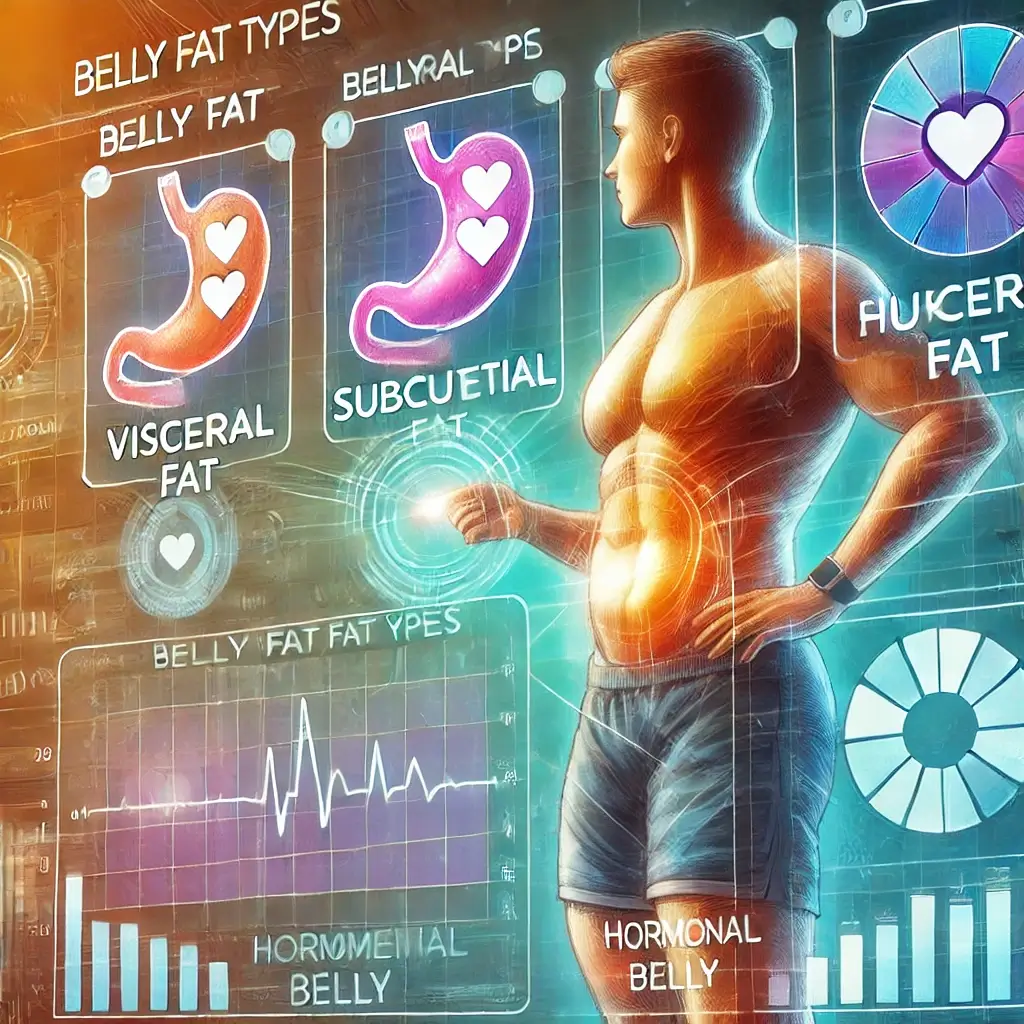
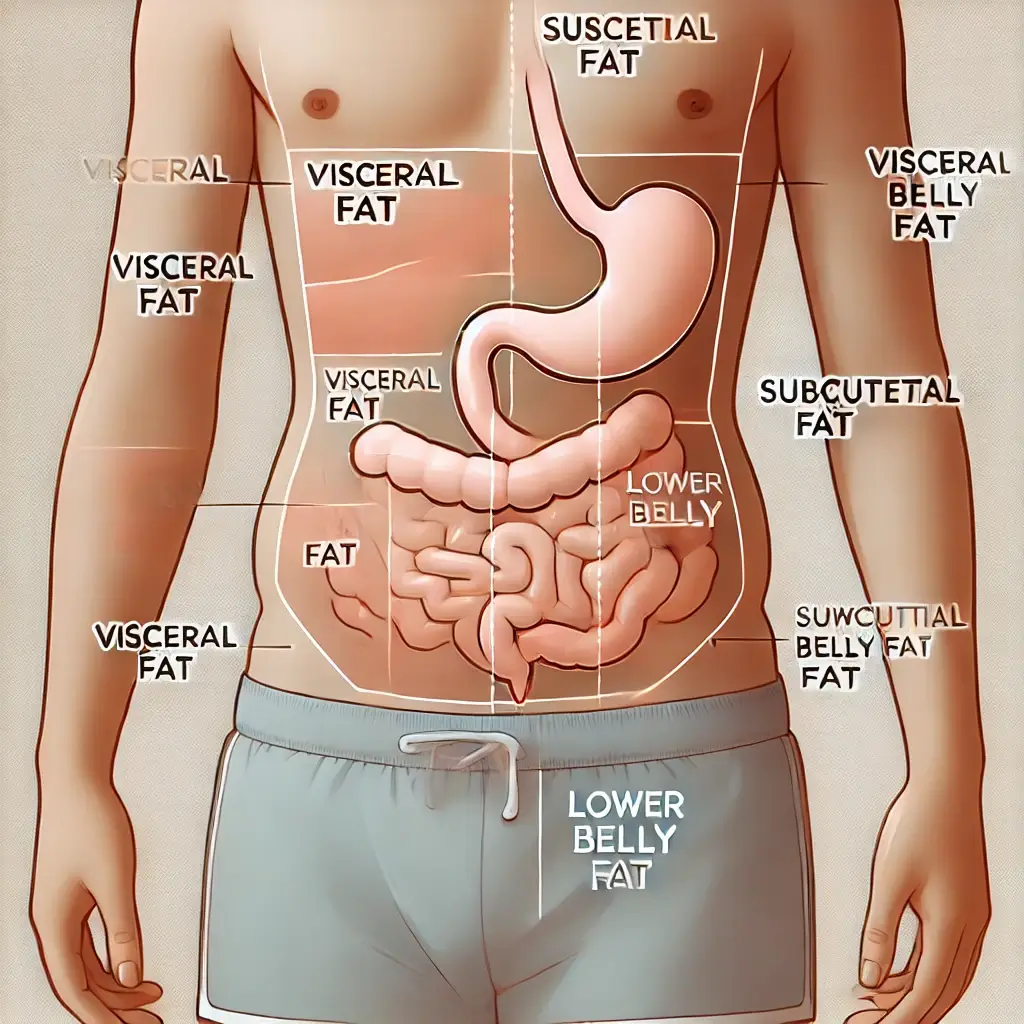
Not all fat in the body is the same, and knowing the difference can help you burn belly fat more effectively. Your body stores fat in two main ways, each with unique characteristics and health implications:
Subcutaneous Fat
This is the soft, pinchable fat located just beneath the skin. It’s commonly found in areas like the thighs, arms, and lower belly. While it shapes your body, it’s generally not harmful to your health and is easier to lose with the right diet and exercise.
Visceral Fat
This is the stubborn belly fat that surrounds internal organs such as the liver, intestines, and pancreas. Unlike subcutaneous fat, visceral fat is metabolically active, meaning it releases hormones and inflammatory substances that can negatively impact your overall health. High levels of visceral fat are linked to serious conditions like heart disease, type 2 diabetes, and high blood pressure.
Since visceral fat behaves differently from other fat stores, it can be more resistant to traditional weight loss efforts, making it clear why is belly fat so hard to burn? through diet and exercise alone.
The best way to burn belly fat and reduce visceral fat involves a combination of healthy eating, strength training, and high-intensity interval training (HIIT). Additionally, managing stress levels and ensuring quality sleep can help regulate hormones that contribute to the accumulation of stubborn belly fat.
By focusing on sustainable lifestyle changes, you can effectively target belly fat while also improving your overall health and reducing the risks associated with visceral fat.
The Science Behind Why Is Belly Fat So Hard to Burn?
1. Hormonal Influence
Hormones have a great deal to do with the way your body burns and stores fat. Why is belly fat so hard to burn? One major reason is the role of cortisol (the stress hormone) stimulates fat storage, particularly around the middle.
When you’re under stress, your body releases more cortisol, which tells the body to store fat in the midsection as a way of surviving.
Other hormones such as insulin and estrogen, also play a role in belly fat. Elevated levels of insulin, typically resulting from consuming too much sugar and refined carbohydrates, can create insulin resistance, which makes it more difficult for your body to burn fat effectively. Also, fluctuations in estrogen, particularly in women going through menopause, can cause the storage of more fat in the abdominal region.
Solution: Emphasize stress management strategies, including meditation and controlled breathing, along with a balanced diet that maintains stable blood sugar levels.
2. Slow Metabolism & Fat Distribution
Why is belly fat so hard to burn? One major reason is a naturally slowing metabolism as we age, making it harder to burn calories efficiently. This reduction in metabolic rate implies that the body needs fewer calories for energy, and any surplus is deposited as fat. Sadly, for most individuals, the belly is the first storage site because of genetic makeup.
Genetics also play an important part in fat distribution, with the body deciding where it stores extra fat. While some people tend to gain weight in their arms or thighs, others gain that stubborn belly fat, which is more difficult to lose.
The best way to burn belly fat with a slower metabolism is to include a combination of strength training and high-intensity interval training (HIIT) to increase calorie burn. Also, a diet high in protein and fiber can assist in burning belly fat.

3. Caloric Intake vs. Fat Burning
One of the greatest myths surrounding weight loss is that of spot reduction, or the notion that performing hundreds of sit-ups will somehow burn off stomach fat. But why is belly fat so hard to burn?
The truth is that belly fat reduction happens through an overall calorie deficit, burning more calories than you take in. If your caloric intake every day is more than your output, your body will just keep storing fat, particularly around your middle.
To efficiently burn belly fat, it is necessary to work on a healthy diet and frequent exercise that makes your body more efficient at burning fat. Strength training builds lean muscle, which in turn boosts metabolism, and cardio exercises such as HIIT make the body develop the required calorie deficit.
The best way to burn belly fat can be done by merging these exercise strategies with a diet rich in nutrients, without eating processed foods that help store fat.
4. Insulin Resistance & Carbohydrate Sensitivity
Eating high levels of sugar and refined carbs can cause insulin resistance, or when the body has trouble maintaining healthy blood sugar levels. But why is belly fat so hard to burn? When insulin levels remain high, the body is more likely to deposit fat, especially in the belly. That’s why so many people who eat large quantities of sweets and processed carbohydrates have resistant, stubborn belly fat.
To prevent why is belly fat so hard to burn? from becoming an issue because of insulin resistance, it’s necessary to pay attention to blood sugar control. This involves cutting down on sugary beverages, white bread, and processed foods and adding more fiber, protein, and healthy fats to your diet.
Balanced meals that maintain stable insulin levels will enhance belly fat loss in the long run and avoid additional accumulation of stubborn belly fat.
By understanding how metabolism, calorie intake, and insulin resistance affect belly fat, you can take strategic steps to achieve long-term belly fat loss while improving overall health.
How to Lose Belly Fat Effectively
Now that we know why is belly fat so hard to burn?, let’s take a look at proven methods for burning belly fat efficiently. With the integration of a healthy diet, focused exercise, stress control, and metabolism-enhancing practices, you can attain sustainable belly fat loss and enhance overall health.
1. Prioritize a Healthy Diet
Dietary intake is important in burning belly fat. Specific foods assist in maintaining metabolism, managing hunger, and encouraging fat loss, while unhealthy foods may result in stubborn belly fat formation.
Foods That Help Burn Belly Fat
Increase Protein Intake:
Protein boosts metabolism, reduces cravings, and helps maintain muscle mass during fat loss. Good sources include:
- Eggs
- Lean chicken
- Greek yogurt
- Lentils
- Fish (like salmon and tuna)
Eat Healthy Fats:
Not all fats are bad! Healthy fats help regulate hormones and reduce inflammation, which is important for belly fat loss. Include:
- Avocados
- Nuts (almonds, walnuts, cashews)
- Olive oil
- Chia seeds
- Fatty fish
Reduce Sugar & Refined Carbs:
Excess sugar leads to insulin resistance, causing the body to store more fat. Instead, choose:
- Whole grains (brown rice, quinoa, oats)
- Vegetables (broccoli, spinach, bell peppers)
- Fiber-rich foods (beans, lentils, flaxseeds)
Stay Hydrated:
Drinking water before meals can aid digestion, control appetite, and support burning belly fat.
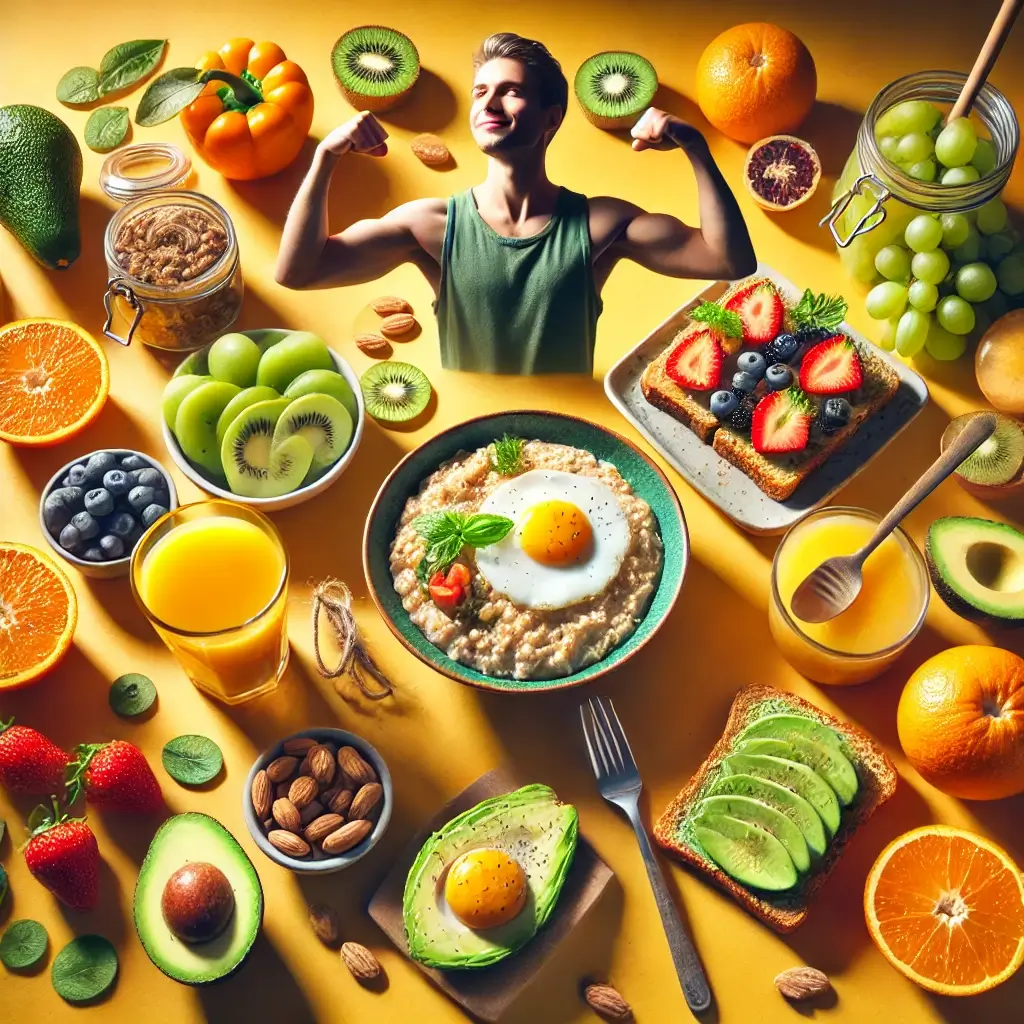
Diet Chart for Belly Fat Loss
| Meal | Food Options | Calories | Key Benefits |
| Breakfast | Scrambled eggs + avocado toast + green tea | ~350 kcal | High protein & healthy fats |
| Mid-Morning Snack | Greek yogurt + berries + almonds | ~200 kcal | Boosts metabolism & controls hunger |
| Lunch | Grilled salmon + quinoa + steamed vegetables | ~450 kcal | Rich in protein & fiber |
| Evening Snack | Green tea + handful of walnuts | ~150 kcal | Aids fat burning & reduces cravings |
| Dinner | Grilled chicken + sautéed spinach + brown rice | ~400 kcal | Nutrient-dense & low in processed carbs |
| Post-Dinner | Herbal tea (ginger/turmeric) | ~0 kcal | Helps digestion & reduces bloating |
Nutrition Value Chart for Belly Fat-Burning Foods
| Food | Calories (per 100g) | Protein (g) | Healthy Fats (g) | Fiber (g) |
| Eggs | 155 kcal | 13g | 11g | 0g |
| Salmon | 208 kcal | 20g | 13g | 0g |
| Avocado | 160 kcal | 2g | 15g | 7g |
| Greek Yogurt | 59 kcal | 10g | 0.4g | 0g |
| Brown Rice | 111 kcal | 2.6g | 0.9g | 1.8g |
| Spinach | 23 kcal | 2.9g | 0.4g | 2.2g |
2.Customized Workout Plan for Burning Belly Fat
Workout Schedule (4-5 Days a Week)
| Day | Workout Type | Key Benefits |
| Day 1 | HIIT Cardio + Core | Boosts metabolism, burns belly fat |
| Day 2 | Strength Training (Full Body) | Builds muscle, enhances fat burning |
| Day 3 | Rest or Light Yoga | Reduces stress, improves flexibility |
| Day 4 | HIIT + Core Workouts | Increases calorie burn, strengthens abs |
| Day 5 | Strength Training (Lower Body + Core) | Tones midsection, burns calories |

Best Exercises for Belly Fat Loss
1. High-Intensity Interval Training (HIIT) – 15-20 min
HIIT workouts alternate between intense bursts of activity and short rest periods, making them highly effective for burning belly fat.
Example HIIT Routine (Repeat 3-4 rounds):
- Jump Squats – 30 sec
- Mountain Climbers – 30 sec
- Burpees – 30 sec
- High Knees – 30 sec
- Rest – 30 sec
For a more effective workout, check out these equipment’s on Amazon.
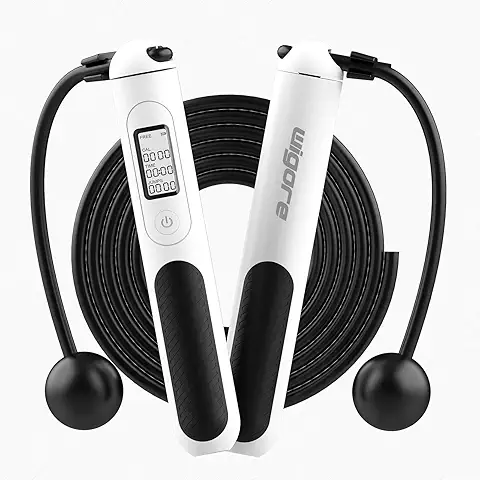
Adjustable Jump Rope for cardio
Jump Rope, Rope less jump ropes weighted with counter for fitness, Home, Indoor or Outdoor exercise
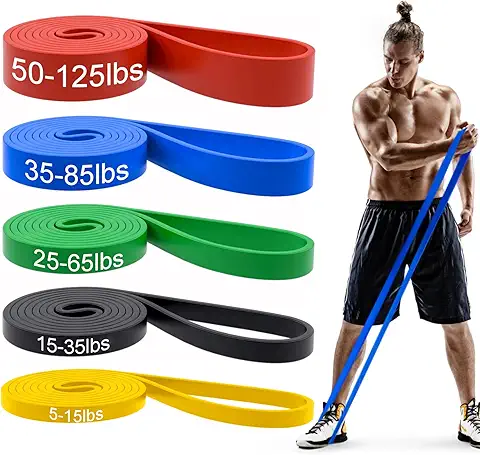
Resistance Bands for extra challenge
Pull Up Bands, Resistance Bands, Pull Up Assistance Bands Set for Men & Women, Exercise Workout Bands for Working Out, Body Stretching, Physical Therapy, Muscle Training
2. Strength Training (Full Body) – 30 min
Building muscle increases calorie burn, even at rest. Strength training helps reduce stubborn belly fat over time.
Full-Body Strength Routine (3 Sets Each):
- Dumbbell Deadlifts – 10 reps
- Push-ups – 12 reps
- Kettlebell Swings – 15 reps
- Plank Hold – 45 sec
For a more effective workout, check out these equipment’s on Amazon.
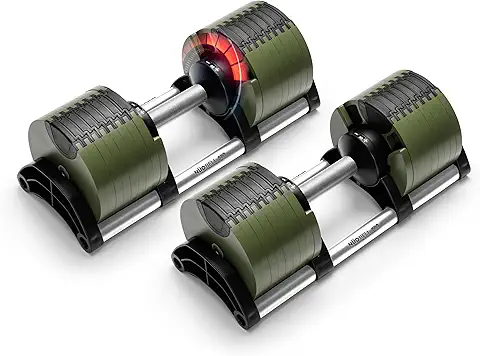
Adjustable Dumbbells
NUOBELL Adjustable Dumbbells 5-80 lbs: Replace 16 Sets, Ideal for Home Gym Weight Bench & Press
Kettlebell for Swings
Kettlebell Sets Professional Grade – Strength Training Kettlebells for Home Workout – Cast Iron Kettle Bell Weight Sets for Men & Women with Special Protective Bottom

3. Core-Engaging Workouts – 15 min
A strong core tightens your midsection and improves posture.
Best Core Exercises (3 Sets Each):
- Plank with Leg Lifts – 30 sec
- Bicycle Crunches – 20 reps
- Hanging Leg Raises – 15 reps
For a more effective workout, check out these equipment’s on Amazon.
Ab Roller for Core Strength
WONDER CORE Slide Fit, Ab Roller Board with 4 Wheels, Automatic Rebound Abdominal Wheel for Core Workout, Ab Exercise Equipment, Abdominal Exerciser, Heroboard Fitness Rolling Board with Knee Pad

Pull-up Bar for Hanging Leg Raises
I-Beam Pull Up Bar/Chin up Bar (Black Long Bar with Bent Ends)

4. Recovery & Fat-Burning Boosters
Yoga & Stretching – Helps relieve stress, improves digestion.
Daily Walking (8,000-10,000 Steps) – A simple way to burn belly fat over time.
For a more effective workout, check out these equipment’s on Amazon.
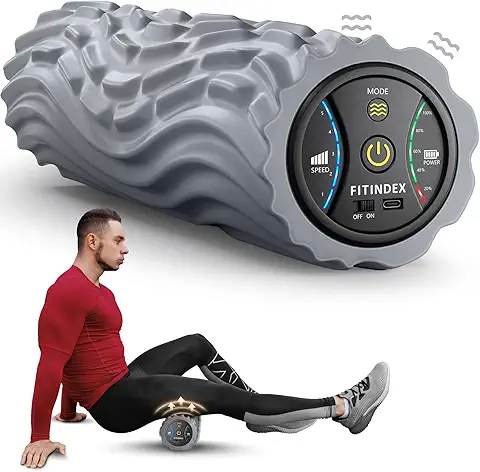
Foam Roller for Muscle Recovery
FITINDEX Foam Roller for Back Pain, 5-Speed Vibrating Foam Roller Muscle Massage, FSA HSA Eligible Exercise, Yoga, Muscles Deep Tissue, Physical Therapy, Muscle Recovery, Neck, Leg, Rechargeable, Gray
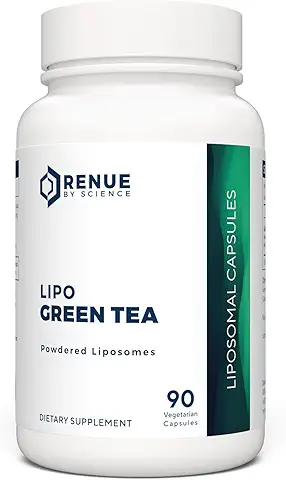
Green Tea Extract for Fat Loss
Renue By Science Green Tea Extract | High Strength Liposomal Green Tea Supplement | 90 Green Tea Extract Capsules – 75mg Green Tea per Serving | Non-GMO | Made in The USA & Third-Party Tested
3. Manage Stress & Improve Sleep
Chronic stress leads to high cortisol levels, which encourage stubborn belly fat storage. Managing stress is essential for burning belly fat.
Ways to Reduce Stress for Belly Fat Loss
Meditation & Deep Breathing – Helps lower cortisol, reducing fat accumulation.
Quality Sleep – Aim for 7-9 hours per night to regulate hormones that control fat storage.
Avoid Late-Night Eating – Eating before bed can disrupt metabolism, making it harder to burn belly fat.
4. Boost Your Metabolism Naturally
A fast metabolism means your body burns more calories, even at rest. Here’s how to boost your metabolism naturally:
Drink Green Tea – Green tea is Rich in catechins, which enhance fat oxidation.
Consume Apple Cider Vinegar – It may help regulate blood sugar and prevent fat storage.
Eat Spicy Foods – Peppers contain capsaicin, which slightly boosts metabolism.
Conclusion: Losing Belly Fat Takes Patience & Consistency
If you’ve been wondering why is belly fat so hard to burn?, now you know, it’s influenced by hormones, metabolism, stress, and diet. However, with a combination of healthy eating, regular exercise, stress management, and sleep optimization, belly fat reduction is possible.
Bonus: Quick Diet & Exercise Plan
- Morning: Drink warm lemon water + 20 min of fasted cardio
- Breakfast: High-protein meal (eggs, Greek yogurt, oatmeal)
- Lunch: Lean protein + fiber-rich veggies + healthy fats
- Evening Workout: 30 min HIIT + strength training
- Dinner: Light meal with balanced macronutrients
- Night Routine: No late-night snacking + 7-9 hours of sleep
Struggling to lose belly fat? Start with these simple steps today. Share your progress in the comments!